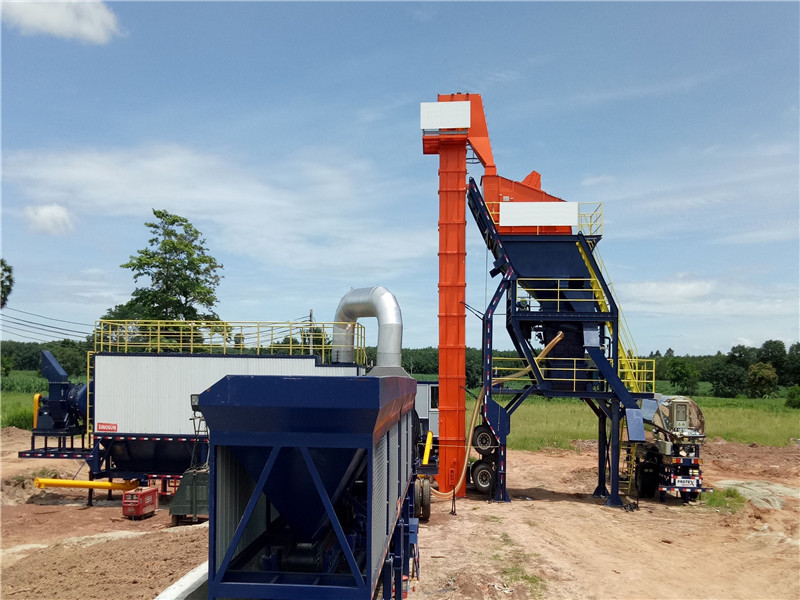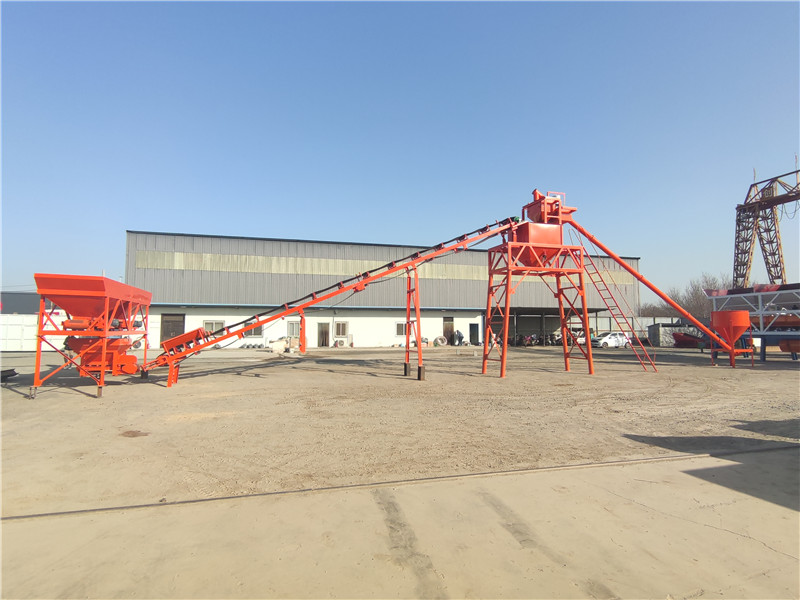
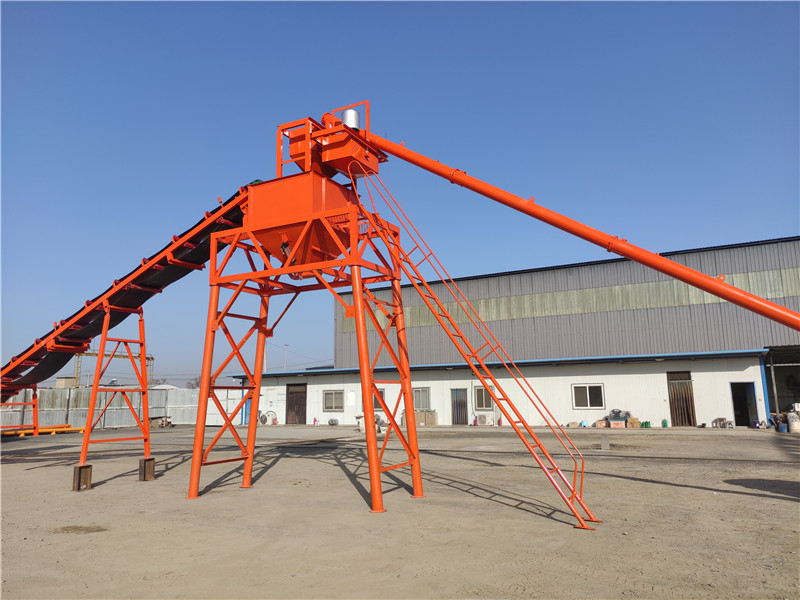
In modern construction, the preparation method and equipment selection of concrete have a crucial impact on the efficiency and quality of the project. A common facility is a batch concrete plant, which can accurately control the proportion of each batch of concrete according to actual needs, ensuring the quality of the final product. In particular, dry mixed concrete, or dry concrete mix, is obtained by first mixing the dry components in this mixing plant, then transporting it to the construction site and adding water for final mixing.
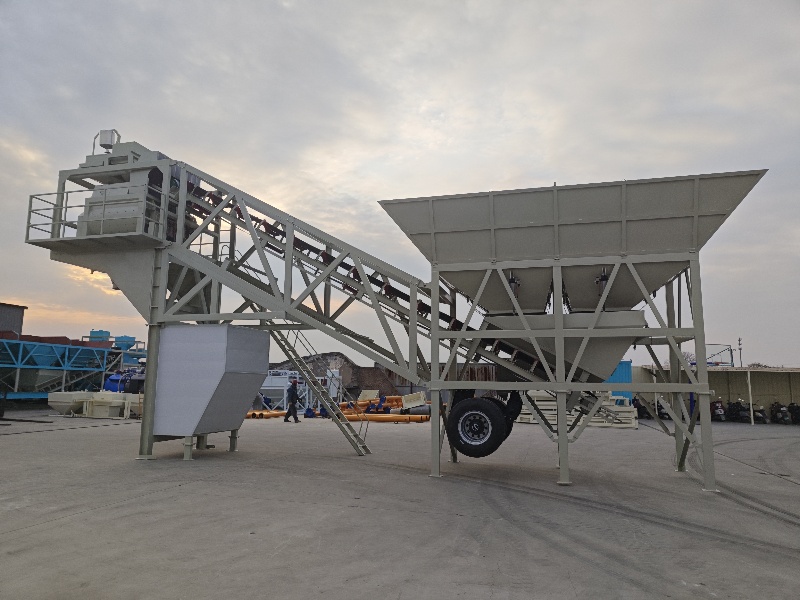
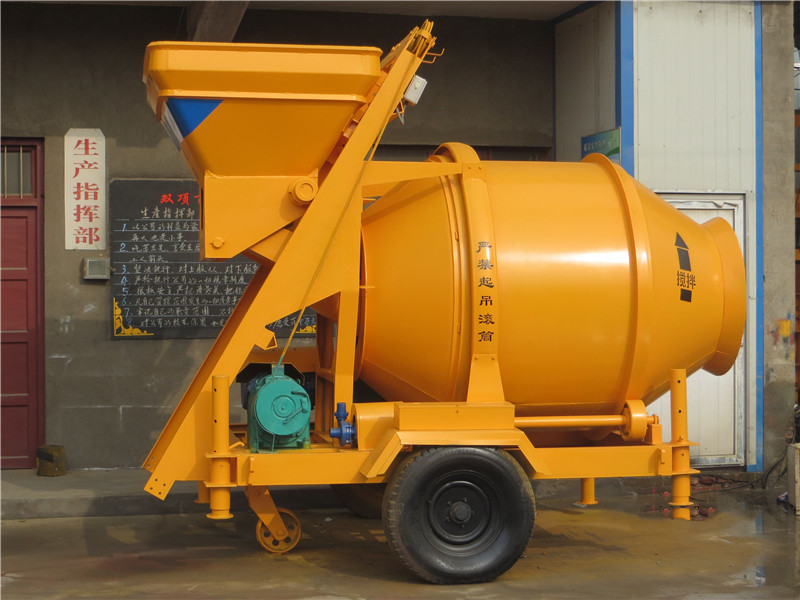
On the other hand, wet batch concrete is a concrete that is mixed and mixed with water in the mixing plant and directly provided to the construction party, which ensures the uniformity and immediate availability of concrete. For projects that require high flexibility and rapid deployment, mobile concrete plant trucks provide an ideal solution, integrating mixing, metering and conveying functions in one, and can quickly respond to the needs of different locations.
In addition, dry batch concrete plants are specially used to produce dry mix concrete. Their characteristics are accurate material metering and efficient production processes, which make them widely used in large-scale engineering projects. By rationally selecting and applying these equipment and technologies, we can not only improve construction efficiency but also ensure that the project quality reaches the optimal state.
Dry mix concrete batching plants, also known as dry batch concrete plants, are specialized facilities designed for mixing concrete components—sand, gravel, and cement—without adding water at the batching site. These dry mix concrete plants prepare a mixture that is then loaded into a mixer truck, where water is introduced and mixed while en route to the construction site. The design of a dry mix batching plant ensures higher efficiency in production and lower energy consumption since the mixing process occurs without water initially. Dry batch concrete plants are favored for their ability to increase productivity and save time, allowing the fresh mixture to be used promptly upon arrival at the construction site. Additionally, these plants offer lower power consumption and operating costs compared to wet batch plants, contributing significantly to modern infrastructure projects such as roads and bridges.
Dry mix concrete batching plants provide an automated system that blends materials efficiently and requires shorter maintenance periods, making them ideal for extensive construction sites. The flexibility of dry mix concrete plants allows for better versatility in applications, ensuring that the concrete remains fresh during transport by maintaining the rotation order in the mixer truck. The advantages of a dry mix concrete plant extend to its high capacity and enhanced overall productivity, with the added benefit of reduced environmental impact due to lower energy consumption. This makes dry mix batching plants highly welcomed production equipment, perfectly suited for large-scale construction endeavors where quality, efficiency, and cost-effectiveness are paramount.
1. What is a dry mix concrete batching plant?
For the traditional dry concrete batching plant, there is a concrete mixer to mix all the materials like stone, sand, cement, water and addtive after being weighed. For a dry mix concrete batching plant, dry concrete plants mix aggregate materials such as sand, gravel and cement in precise sizes. The mixture is discharged into a mixer truck, mixed with metered water, and mixed in trucks on the way to the site.. It works in the following way:
1) Aggregates (sand and stone) are weighed by an aggregate batching machine and then delivered to an aggregate collecting hopper by belt conveyor;
2) On top of the aggregate collecting hopper, there are water, cement and additive scales. Water, cement and additive are weighed by the corresponding scale and then discharged into the aggregate collecting hopper;
3) Under the aggregate collecting hopper, a concrete transit mixer can stop and collect all the materials;
4) On the way to the work site, a concrete transit mixer will mix all the materials. When the transit mixer reaches work site, concrete is ready to use. Contact us.
2. Features of dry mix concrete batching plant.
1) Cost-saving. Higher throughput and lower energy consumption since no water is required for mixing
2) Much higher production capacity. For a traditional concrete batching plant, we need 60 seconds to get one batch of concrete, among which 25 to 30 seconds are used to mix all the materials. For the dry mix concrete batching plant, we don't need a mixer to mix materials, so we can save about 50% of time to get one batch of concrete. Production: 50–160 cubic meters/hour
3) The cooperation between dry concrete plant and mixer truck can improve productivity and save time.
4) Reduce construction time and increase productivity.
5) Compared with wet mixing equipment, dry concrete plant has lower power consumption.
6) The operating cost of dry concrete plant is relatively low
7) Compared with wet mixing equipment, dry concrete plant maintenance time may be shorter.
8) Like other mixing plants (such as mobile and stationary mixing plants), the dry concrete plant is also automated.
9) Dry concrete plant is a popular modern production equipment and continues to play an important role in the development and development of modern roads, bridges and various construction projects.

3. Where is a dry mix concrete batching plant usually used?
1) Projects that are far from the concrete batching plant. Normal concrete quality might be reduced after long time of transportation.
2) Concrete quality requirement is not very strict. Compared with the mixer, the mixing performance of transit mixer is not very good.
Applications of Dry Mix Concrete Batching Plants
Commercial Ready-Mix Concrete Production
Dry mix plants are widely considered by ready-mix concrete companies that deliver concrete through transit mixer trucks.
Their simplified batching process can support rapid truck loading and regular dispatch across multiple delivery routes.
Highway and Road Construction
Road projects often cover long distances and include multiple working sections.
A dry mix concrete batching plant can supply trucks serving:
Highway pavement construction
Road foundations
Interchanges
Culverts
Drainage structures
Roadside concrete structures
Mobile configurations can also be considered when the plant must move as the project progresses.
Bridge and Transportation Infrastructure
Dry batching can support concrete delivery for bridge substructures and associated civil works where concrete is transported from a central project plant.
Applications may include:
Bridge foundations
Piers and abutments
Approach structures
Retaining walls
Transportation hubs
General structural concrete
The required concrete specification should be reviewed before choosing between dry and wet batching.
Large Residential and Commercial Developments
Large housing developments may contain numerous buildings and pouring locations across the same project area.
A central dry batch plant can load mixer trucks that distribute concrete to different sections of the development.
Industrial Facilities
Dry batching can be considered for industrial construction involving large quantities of conventional concrete, including:
Factory buildings
Warehouses
Logistics centers
Industrial parks
Equipment foundations
Utility structures
Dams and Water Conservancy Projects
Large water conservancy projects often require continuous concrete supply across extensive construction zones.
Plant suitability should be evaluated according to the concrete grade, required consistency, delivery route and quality-control requirements.
Remote Construction Sites
A dry mix batching plant can be configured for projects where:
The construction area is far from an existing ready-mix supplier
Local power capacity is limited
Plant maintenance resources are restricted
Concrete must travel to dispersed pouring points
Equipment installation needs to remain relatively simple
Climate, altitude, water availability and spare-parts planning should be confirmed before manufacturing.
Main Components of the Dry Batch Concrete Plant
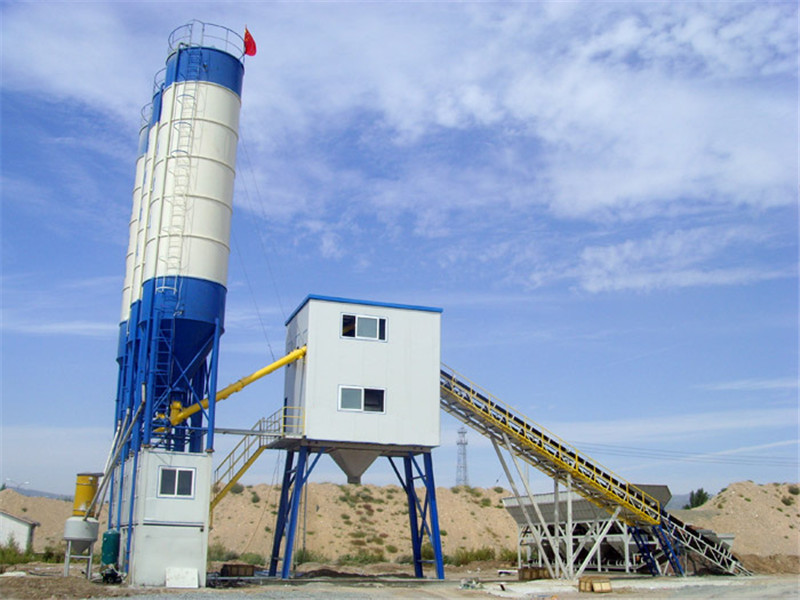
A complete SHENGMAO dry mix batching plant can include:
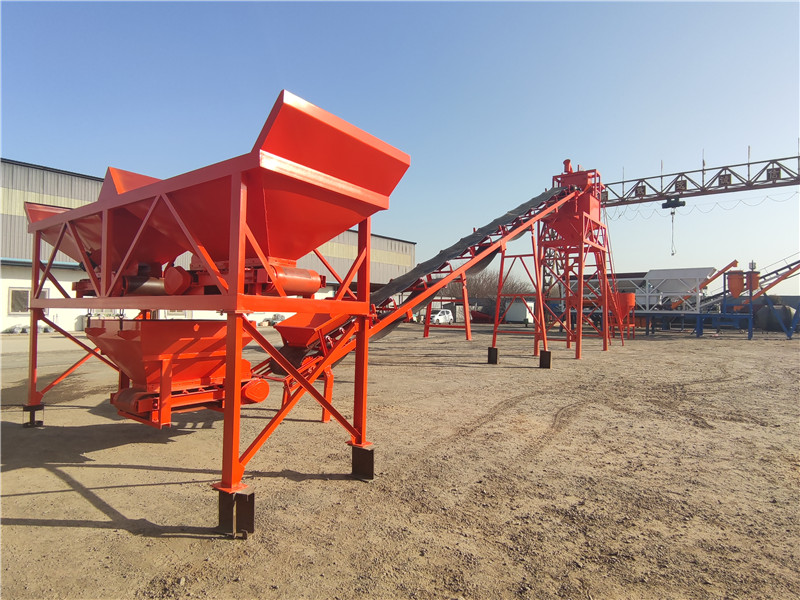
Aggregate Batching Machine
Stores and weighs sand, stone and other aggregate fractions.
The number and volume of aggregate bins can be selected according to the concrete recipes and available loader capacity.
Aggregate Belt Conveyor
Transfers weighed aggregates to the collecting hopper.
The conveyor layout can be adjusted according to the available land, loading direction and required production capacity.
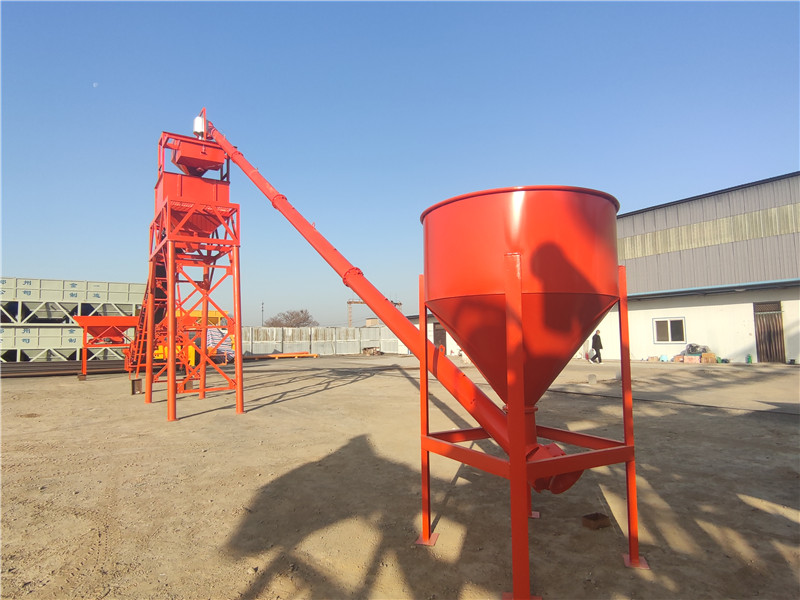
Cement Silo
Stores cement, fly ash or other powder materials.
Silo capacity should be matched to hourly output, daily consumption and local cement delivery frequency.
Screw Conveyor
Transfers powder materials from the storage silo to the weighing system.
Conveyor diameter, length and installation angle are selected according to the required feeding capacity.
Cement Weighing System
Measures cement and supplementary cementitious materials according to the programmed recipe.
Water Weighing System
Meters the required water for each truck load.
Additive Weighing System
Measures liquid admixtures used to adjust setting time, workability or other concrete characteristics.
Aggregate Collecting Hopper
Receives the weighed ingredients and controls their discharge into the truck mixer.
Truck Loading Chute
Guides materials into the transit mixer drum and helps control dust and spillage around the loading point.
Pneumatic System
Operates material gates, valves and discharge mechanisms.
Computer Control System
Controls recipe selection, weighing, material discharge, production records and system alarms.
Optional Dry Mix Plant Configurations
The following options can be considered according to project requirements:
Additional aggregate storage bins
Independent aggregate weighing
Larger cement silos
Multiple powder material silos
Fly ash weighing system
Additional admixture tanks
Aggregate moisture measurement
Dust collector for the loading area
Fully enclosed belt conveyor
Aggregate pre-feeding conveyor
Air compressor upgrade
Water heating system
Water cooling system
Insulated pipelines
Operator cabin
Remote control
Multilingual control interface
Generator-compatible electrical design
Customized voltage and frequency
Customized plant color
Spare-parts package
Final availability should be confirmed according to the selected model and technical proposal.
Dry Mix Plant Configuration for Different Climates
Hot Climate
For high-temperature regions, the configuration may include:
Shaded or insulated water storage
Chilled water system
Protected electrical components
High-temperature-resistant conveyor components
Dust control at transfer points
Concrete temperature management planning
Cold Climate
For low-temperature regions, the configuration may include:
Water heating
Insulated water pipelines
Aggregate heating preparation
Enclosed weighing and loading areas
Cold-resistant pneumatic and electrical components
High-Altitude Sites
High-altitude projects may require adjustment of:
Motor selection
Electrical component capacity
Pneumatic system performance
Cooling and ventilation
Generator sizing
Project altitude should therefore be provided before the electrical system is finalized.
Maintaining Concrete Quality in a Dry Batch Plant
Because final mixing occurs inside the transit mixer, concrete quality depends on both plant accuracy and truck operation.
Important controls include:
Regular calibration of all weighing systems
Correct aggregate grading
Aggregate moisture monitoring
Consistent loading sequence
Accurate water measurement
Clean truck mixer drums
Properly maintained mixer blades
Required drum mixing speed
Sufficient drum revolutions
Controlled delivery time
Concrete testing at the required inspection point
Dry batching is not a substitute for concrete quality management. Plant operation, truck management and laboratory testing should be integrated into the same production procedure.
Know more about dry mix concrete batching plant:
The difference between dry mix concrete plant and wet mix concrete plant
How to Choose the Control system of Concrete Batching Plant
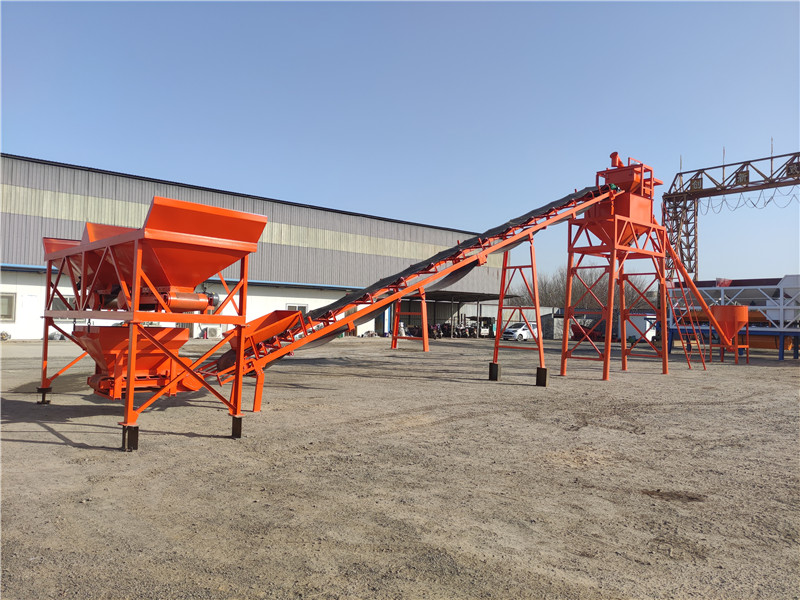
4. Our dry concrete batching plant is composed of the following parts.
1) aggregate batching machine;
2) aggregate loading belt conveyor;
3) cement silo;
4) screw conveyor;
5) water, cement and additive scales;
6) raw materials collecting hopper;
7) support legs;
8) central control system.
5. How a dry mix concrete batching plant works.
The Main feature of a dry mix concrete batching plant is that there is no concrete mixer. It works in this way:
The aggregate batching machine weighs all the aggregates, and then the aggregates are delivered by a belt conveyor to the aggregate collecting hopper which is controlled by a pneumatic cylinder. Cement scale, water scale, and additive scales are on the top of the aggregate collecting hopper. After weighing, cement, water and additive are discharged into the aggregate collecting hopper. At last, all the materials are discharged into a concrete transit mixer that stands below the aggregate collecting hopper. On the way to the work site, a concrete transit mixer will mix all the materials. When the concrete transit mixer reaches the work site, the concrete is ready to use.
Dry mix concrete batching plant can greatly increase the concrete production efficiency because the concrete transit mixer not need to wait for concrete mixer to mix all materials. For example, for belt conveyor concrete batching plant, we can get one batch of concrete in 60 seconds and the mixing time is 25s to 30s (adjustable), which means we can save half the time to get one batch of concrete by using dry mix concrete batching plant.
| Model | DHZS50 | DHZS60 | DHZS80 | DHZS120 | DHZS160 |
| Production capacity (m3/h) | 50 | 60 | 80 | 120 | 160 |
| Concrete mixer truck volume (m3) | 6 | 8 | 10 | 12 | 12 |
| Aggregate feeding mode | Belt conveyor | Belt conveyor | Belt conveyor | Belt conveyor | Belt conveyor |
| Aggregate batcher | PLD800 | PLD1200 | PLD1600 | PLD2400 | PLD3200 |
| Max. aggregate size (mm) | 60/80 | 60/80 | 60/80 | 60/80 | 60/80 |
| Discharging height (m) | 4.1 | 4.1 | 4.1 | 4.1 | 4.1 |
| Aggregate weighing accuracy (%) | ±2 | ±2 | ±2 | ±2 | ±2 |
| Cement weighing accuracy (%) | ±1 | ±1 | ±1 | ±1 | ±1 |
| Water weighing accuracy (%) | ±1 | ±1 | ±1 | ±1 | ±1 |
| Additive weighing accuracy (%) | ±1 | ±1 | ±1 | ±1 | ±1 |
| Total weight (T) | 7 | 12 | 18 | 25 | 30 |
| Control system | Computer | Computer | Computer | Computer | Computer |
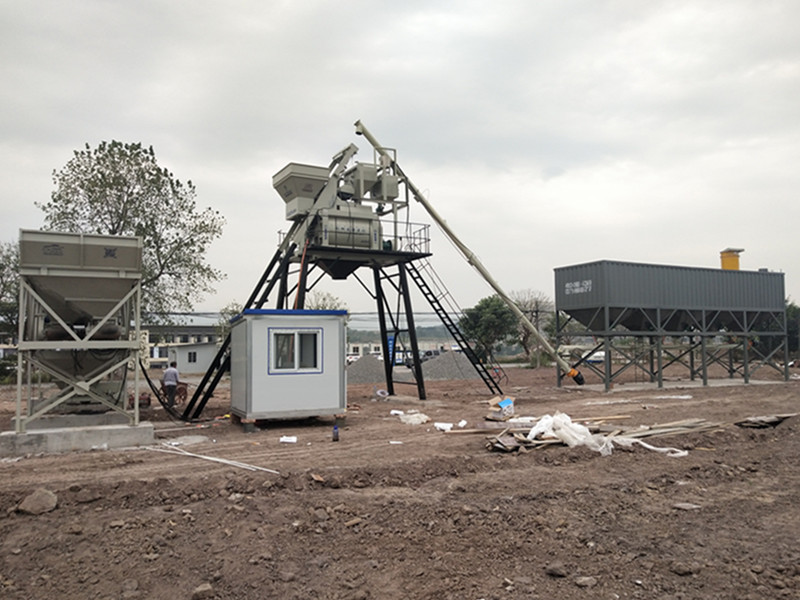
7. Pictures of our dry mix concrete batching plant.
1)90m3/h dry mix concrete batching plant in Indonesia
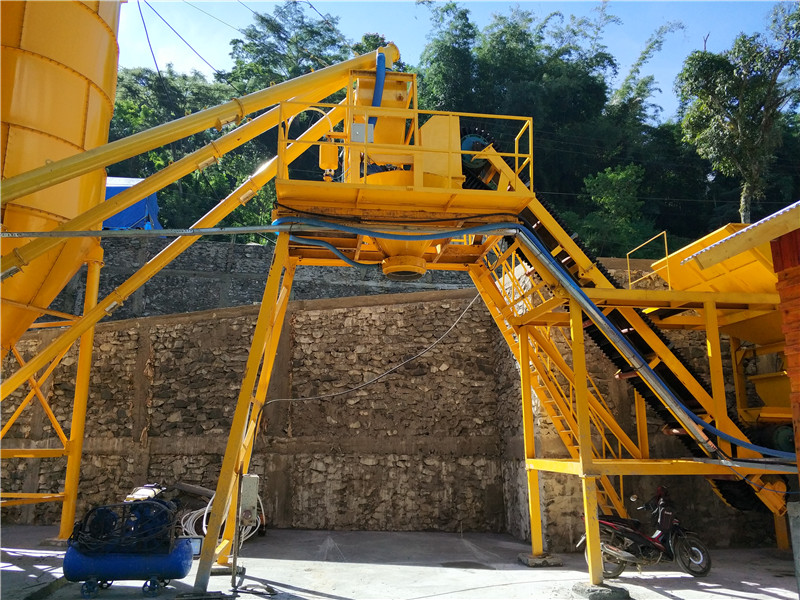
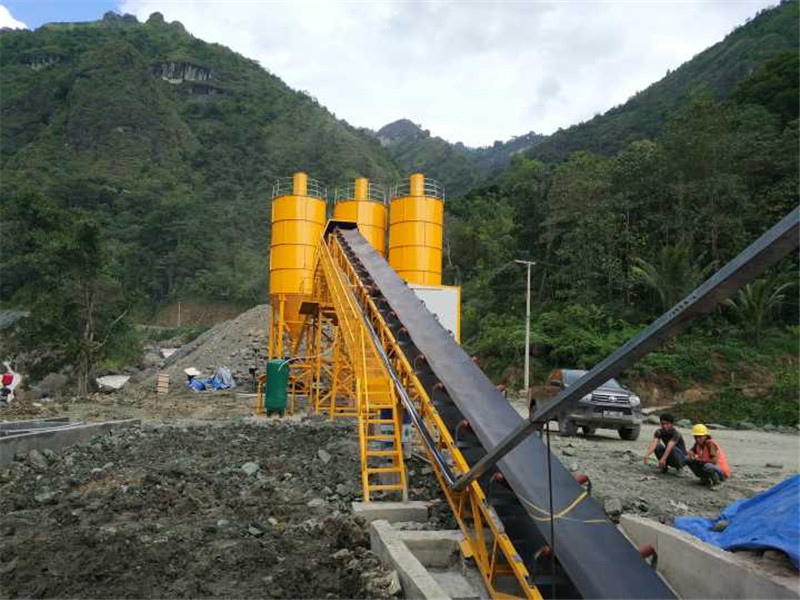
2) 60m3/h dry mix concrete batching plant delivered to Philippine
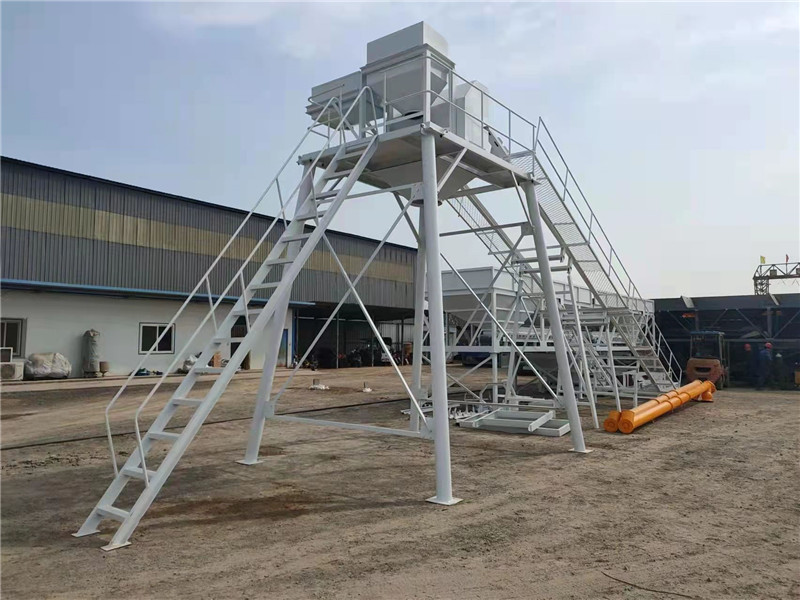
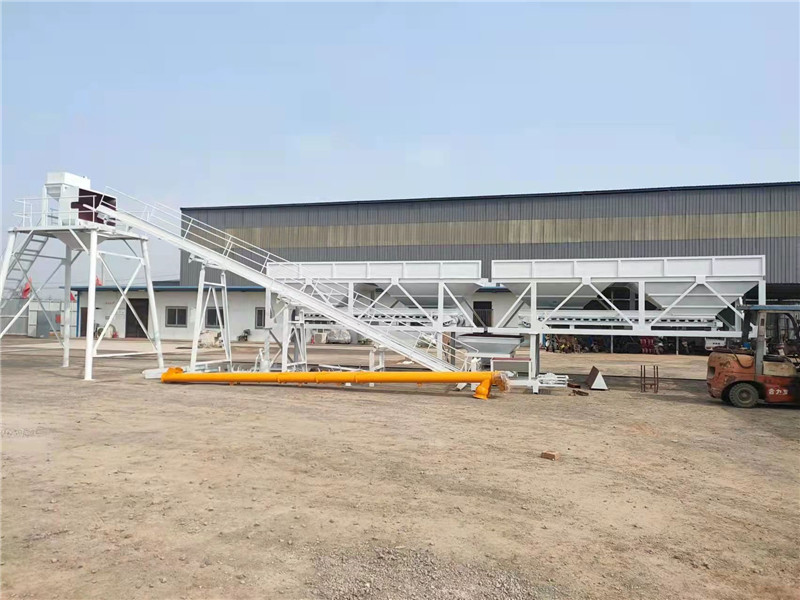
3) 20m3/h dry mix concrete batching plant delivered to Malaysia
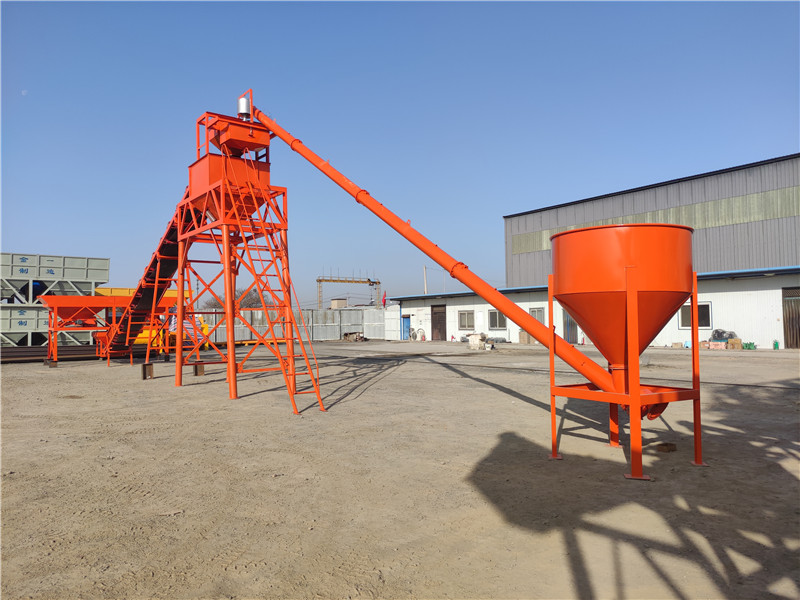
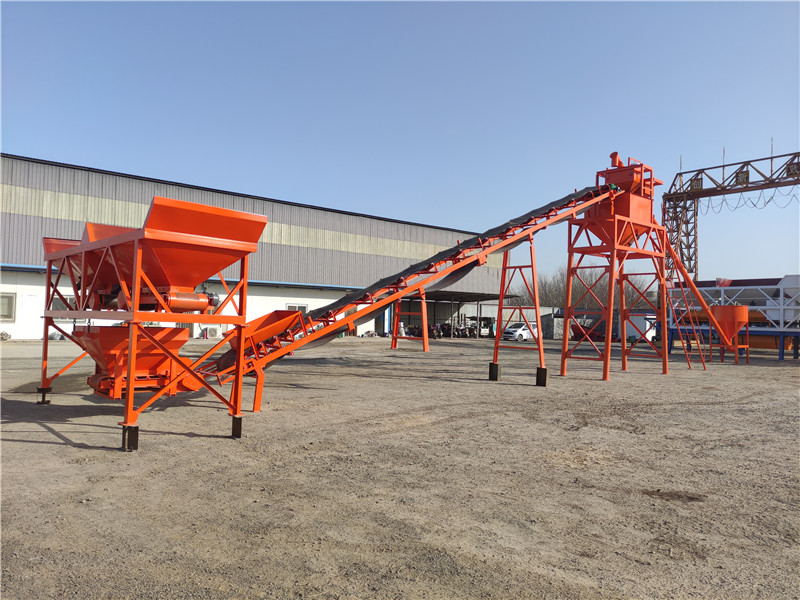
4)Special Dry mix concrete batching plant to Philippines(with remote control)
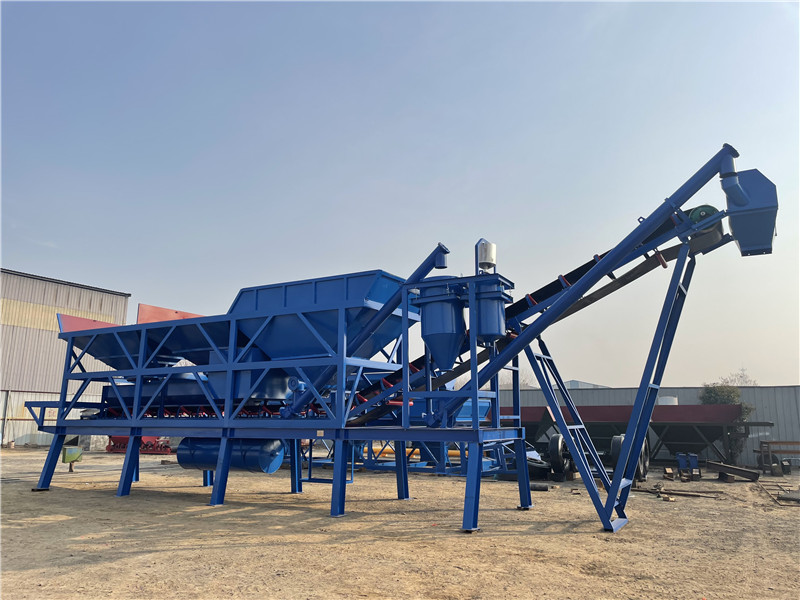
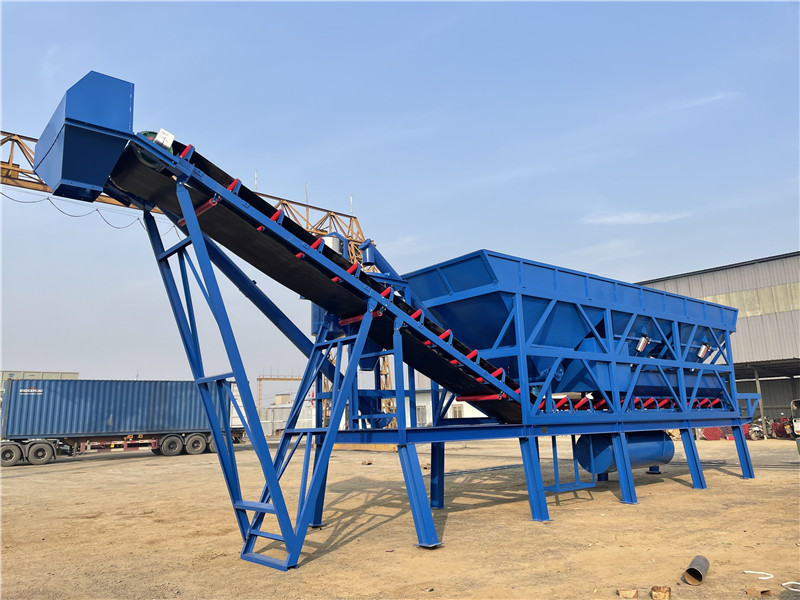
5. 60m3/h dry mix concrete batching plant to Costa Rica
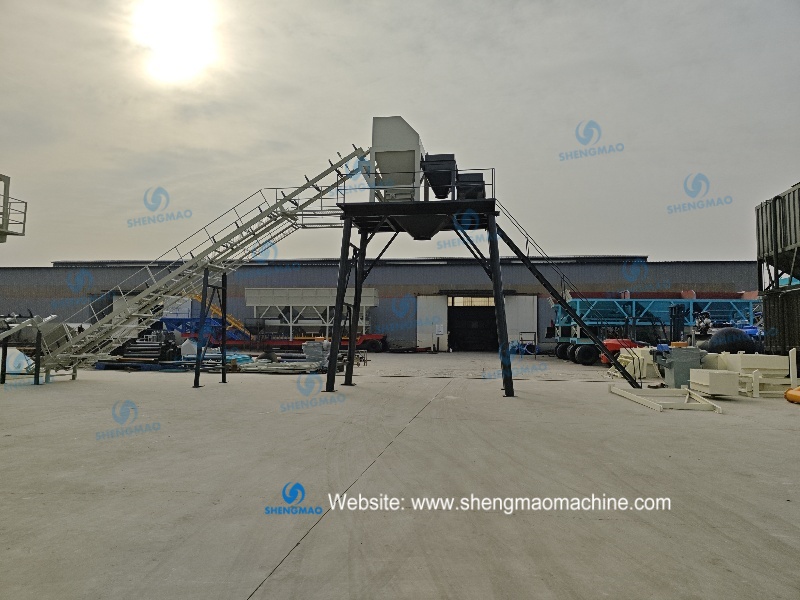
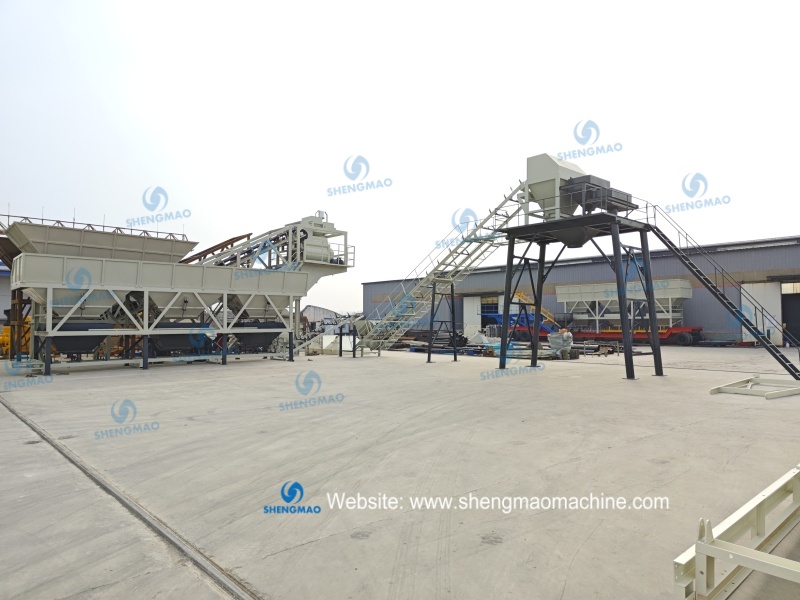
8. Videos of our dry mix concrete batching plant.
1) Stationary dry mix concrete batching plant
2) Mobile dry mix concrete batching plant
8. FAQ
Q1: What is the main difference between a Dry Mix and a Wet Mix concrete plant?
Answer: The primary difference lies in the mixing process. In a Wet Mix plant, concrete is mixed with water in a central twin-shaft mixer before being loaded. In a Dry Mix plant, all dry aggregates and cement are batched in the plant and discharged directly into a truck mixer. Water is added during transport or at the job site, and the actual mixing happens inside the truck. This makes dry mix plants significantly more cost-effective for projects involving long-distance transportation.
Q2: Why should I choose a Dry Mix plant over a traditional Wet Mix system?
Answer: Dry Mix plants offer three strategic advantages:
Lower Initial Investment:
● Since there is no central mixer (the most expensive component), the CAPEX is 30-40% lower.
Zero Maintenance for Mixers:
● You eliminate the high maintenance costs and cleaning time associated with central mixers.
Logistical Flexibility:
● Because the concrete isn't "wet" until it nears the site, you have no risk of premature setting during long-haul deliveries in hot climates.
Q3: Does a Dry Mix plant include a mixer?
Answer: No. A Dry Mix plant is a batching system rather than a mixing system. It includes high-precision batching machines, cement silos, and a control system to ensure exact proportions. The "mixer" is actually your transit mixer (truck mixer). This simplified structure is what makes the plant highly reliable and easy to operate with minimal downtime.
Q4: What is the production capacity and accuracy of Shengmao Dry Mix plants?
Answer: We offer models ranging from 30m³/h to 120m³/h. Despite the simplified design, we use high-precision load cells and a fully automated PLC control system (available in multiple languages). This ensures that each batch meets international strength standards, making it ideal for road construction, bridges, and large-scale infrastructure.
Q5: Can the plant be customized for specific regional power and environmental standards?
Answer: Absolutely. We understand that projects in the US (60Hz/EPA standards) or high-altitude regions like the Andes require specific configurations. We can customize the voltage (220V/380V/480V), motor frequency (50Hz/60Hz), and even include dust collection systems to meet local environmental regulations.
Q6: How long does it take to install and start production?
Answer: Our Dry Mix plants feature a modular design. Since there is no heavy central mixer to calibrate, the physical installation usually takes 5-7 days. With our pre-wired components and remote commissioning support, most clients can start their first batch within 10 days of arrival at the site.
Except from dry mix concrete batching plant, we have mobile dry concrete batching plant, skip hoist concrete batching plant and foundation free concrete batching plant.