
A concrete recycling plant is a facility that is designed to process waste concrete and convert it into reusable materials. This facility plays an important role in construction waste management and resource recycling, helping to reduce dependence on natural resources and alleviate environmental pressure.
Concrete recycling stations save costs for users and also protect the environment by recycling concrete components. Since these recycling stations can be set up right next to concrete batching plants, the costs of transporting surplus concrete to other locations are completely eliminated. The recycled aggregates generated by the residual concrete after washing and decomposition in the washing tank can be reused in concrete production to a certain extent. And the recycled water-cement mixture can be used again in concrete production through the mixer, preventing the cement particles from sinking into the water. This also saves a lot of costs in the concrete production process.
Nowadays, reducing the impact on the environment during concrete production has become an important requirement for ready-mixed concrete plants. If the necessary precautions are not taken, the increase in concrete production will have a negative impact on the environment. Waste concrete discharged into the environment solidifies, and wastewater pollutes underground natural resources, endangering the environment and the safety of all living things.
By using concrete recycling stations, waste concrete released during the washing process of concrete pumps and mixer trucks and concrete left in mixer trucks at the end of the production day can be recycled. Waste concrete can be separated into cement-rich water-cement mixture and coarse aggregate. Therefore, these recycled materials can be reused in subsequent concrete production to a certain extent. This method not only helps reduce raw material costs, but also greatly reduces pressure on the environment and achieves effective recycling of resources.
1. Components of our concrete recycling plant
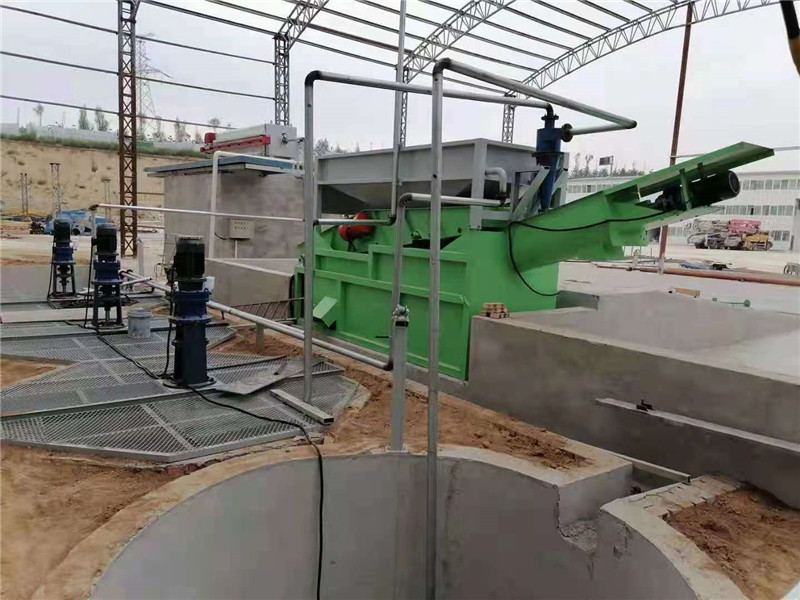
1) concrete washing tank;
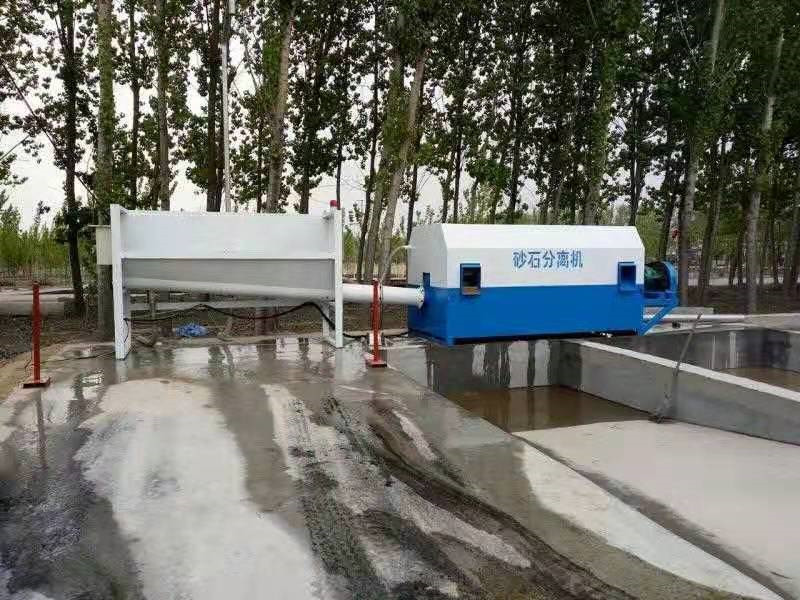
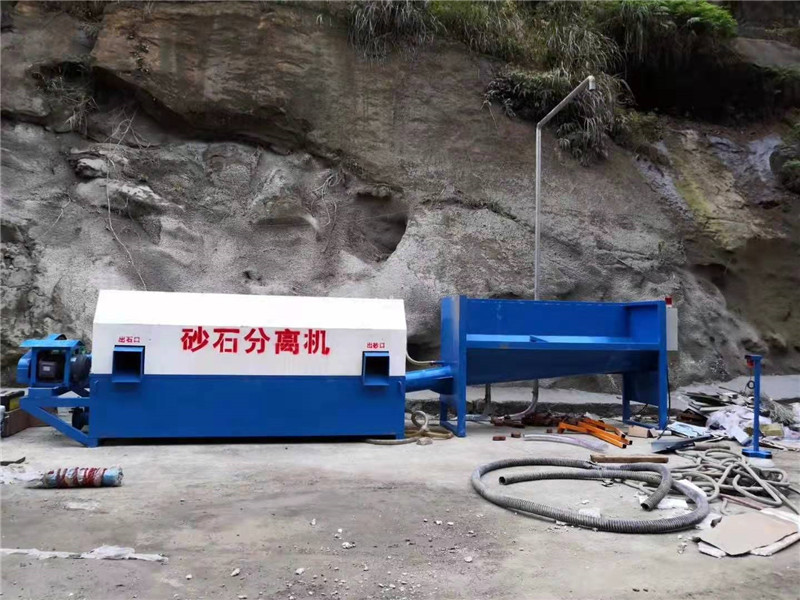
2) sand and stone separator;
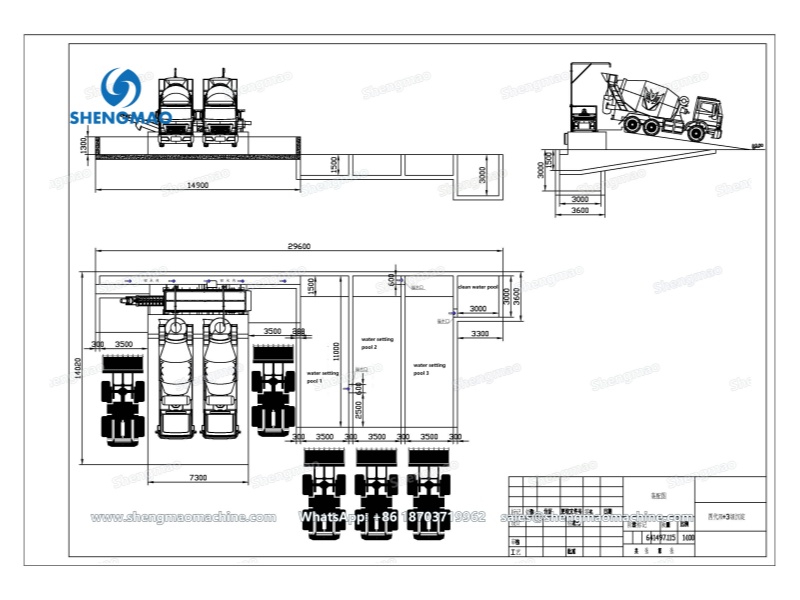
3) settling pond (The quantity of settling pond is based on land space. The more settling pond we build, the cleaner water we can get. Usually, 3 sets of settling pond will be ok);
4) clean water pond. water from settling pond will be pumped into clean water pond. Water in clean water pond can be reused for cleaning residual concrete or concrete production.
2. Working principle of our concrete recycling plant
Residual concrete is discharged into concrete washing tank, then clean water brings it to sand and stone separator.
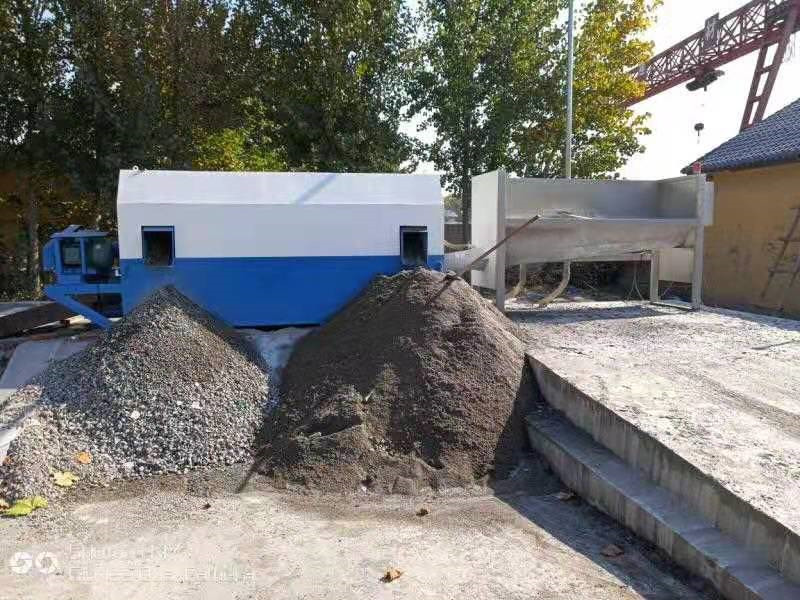
Sand and stone separator has two discharge openings, one is for stone and the other is for sand. After the processing of sand and stone separator, sand and stone are discharged separatedly, and they will be reused for concrete production.
Waste water from sand and stone separator will be discharged into settling pond 1. After the settling pond 1 is full, the waste water will flow to settling pond 2 and then settling pond 3. At last, water from settling pond 3 will pumped to clean water tank from where water will be reused for concrete production or residual concrete cleaning. Normally, 3 settling ponds will be enough. But if the space on work site is not enough, 1 settling pond is also ok.
3. How to choose a proper concrete recycling plant?
Our concrete recycling plant can be equipped with 1 parking space and 2 parking spaces.
1 parking sapce means only 1 concrete transit mixer can be cleaned at a time. And 1 parking space can be used to clean 15 transit mixers in one day (8 hours); So, if you have 30 concrete transit mixer, it is better to choose a concrete recycling plant with 2 parking spaces.
1) Design drawing for 1 parking space concrete recycling plant
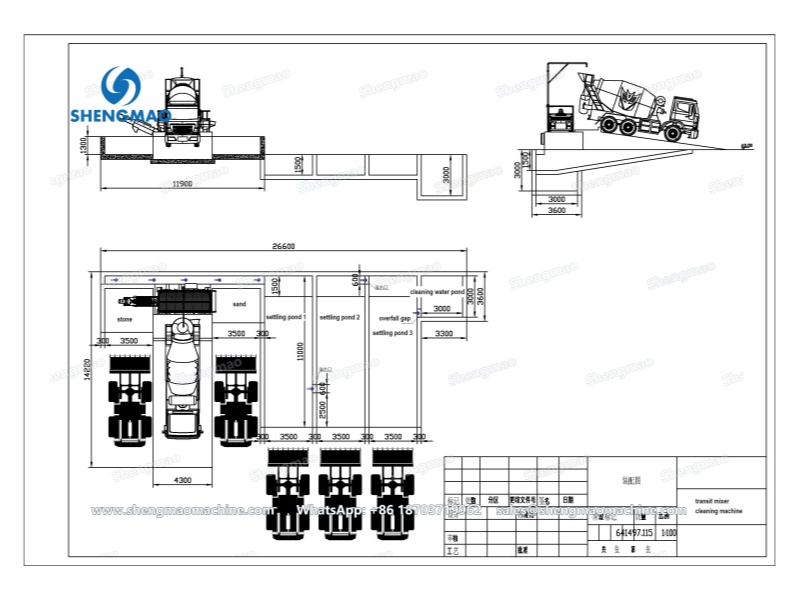
2)Design drawing for 2 parking space concrete recycling plant
By incorporating a concrete recycling plant into construction and demolition operations, companies can contribute to a circular economy, where materials are continuously repurposed and reused, minimizing waste and maximizing resource efficiency.Welcome your consultation!
Nowadays, the importance of environmental responsibility continues to increase. For a cleaner world for future generations, specific rules and standards are introduced in the production of . Being very sensitive to the environment, A plant equipped with a recycling unit is able to re-use all the components from wastes: aggregates, sand & water. It may seem like the amount per truck mixer is not much but on the long run, it may reaches high and reasonable numbers
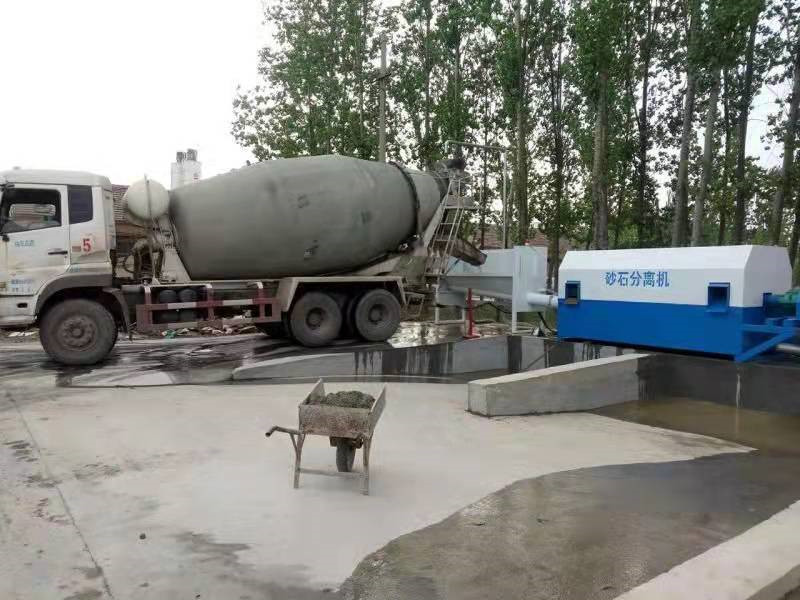
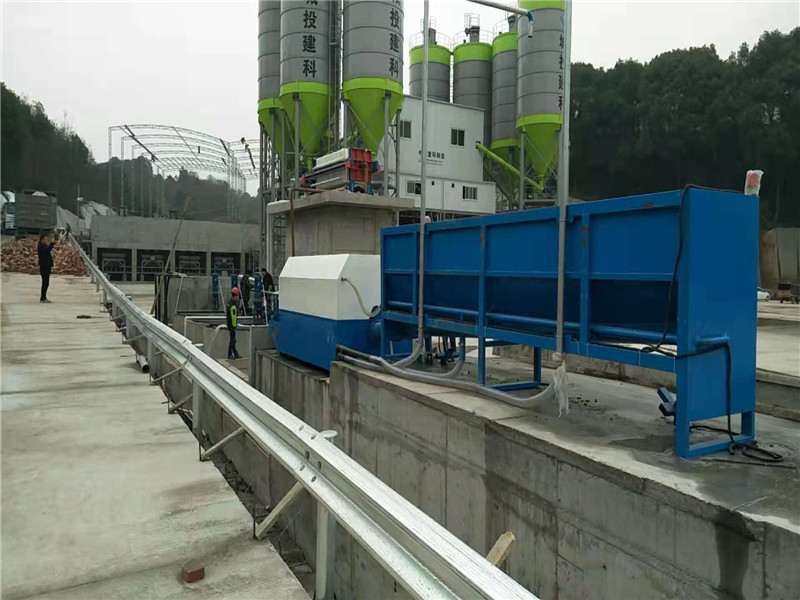
4. Our concrete recycling plant on work site
5. International cases of our concrete recycling plant
1) Concrete recycling plant to Philippines
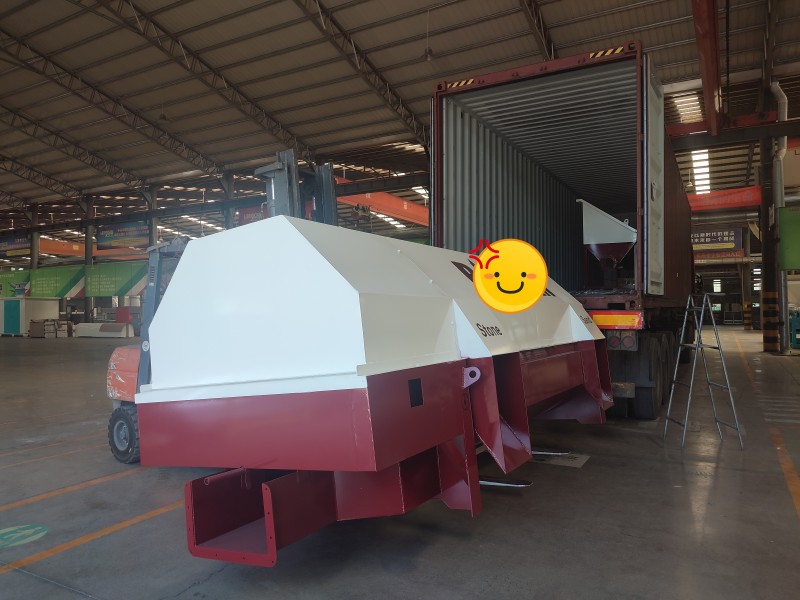
2) Concrete recycling plant to Estonia
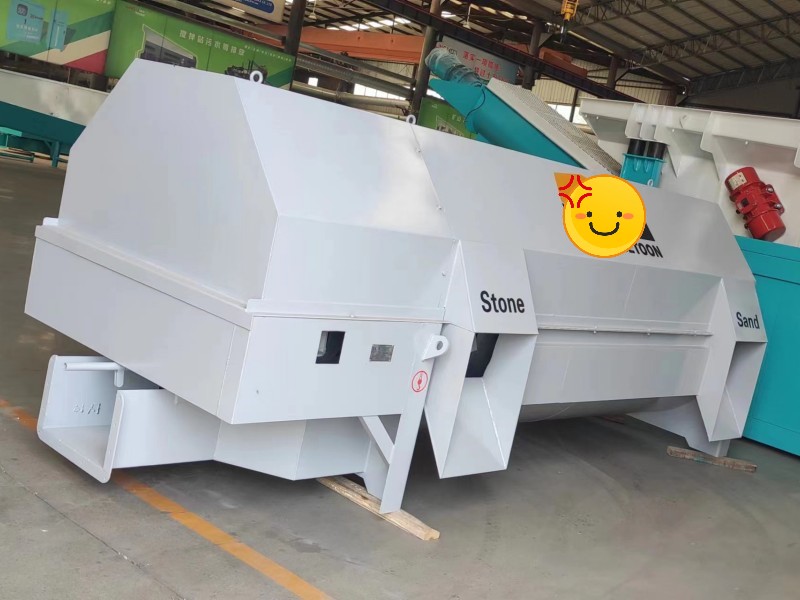
3) Concrete recycling plant to Hungary.
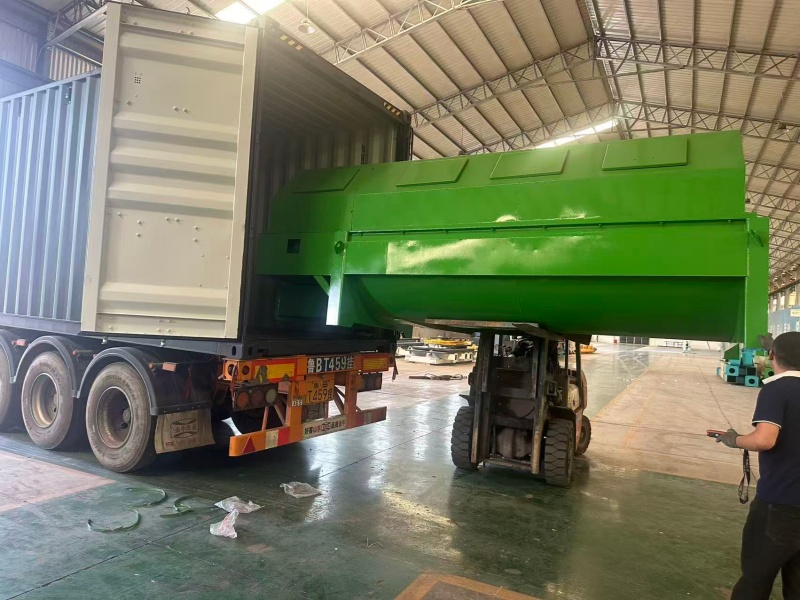
6. Working video of our concrete recycling plant
FAQ:
1. What's the primary function of Shengmao sand and stone separator?
Answer:
Our sand and stone separator is designed to process leftover concrete and wash-water from concrete mixer trucks. It effectively separates the waste into clean sand, stones (aggregates) and slurry water, allowing for 100% recyling of materials and zero discharge of pollutants.
2. What's the processing capacity of your sand and stone separator?
Answer:
For 1 parking space sand and stone separator, you can get 20 to 30 tons of clean aggregates per hour; For 2 parking space sand and stone separator, you can get 30 to 40 tons of clean aggreates per hour.
3) Can the recovered sand and stone be reused immediately?
Answer:
Yes, the separated sand and stones are thoroughly washed and classified. The meet the quality standards for concrete production and can be put back into aggregate storage bins immediately, directly reducing your raw material costs.