
Stationary Asphalt Mixing Plant: Features, Applications, Performance Advantages and Market Insights
A stationary asphalt mixing plant is a core piece of equipment in road construction and large-scale infrastructure engineering. Known for its stable output, high production capacity, and long-term performance, it is widely used in highways, municipal roads, airports, ports, and large industrial projects. For buyers seeking reliability, durability, and consistent asphalt quality, stationary plants remain the preferred choice.
What Is a Stationary Asphalt Mixing Plant?
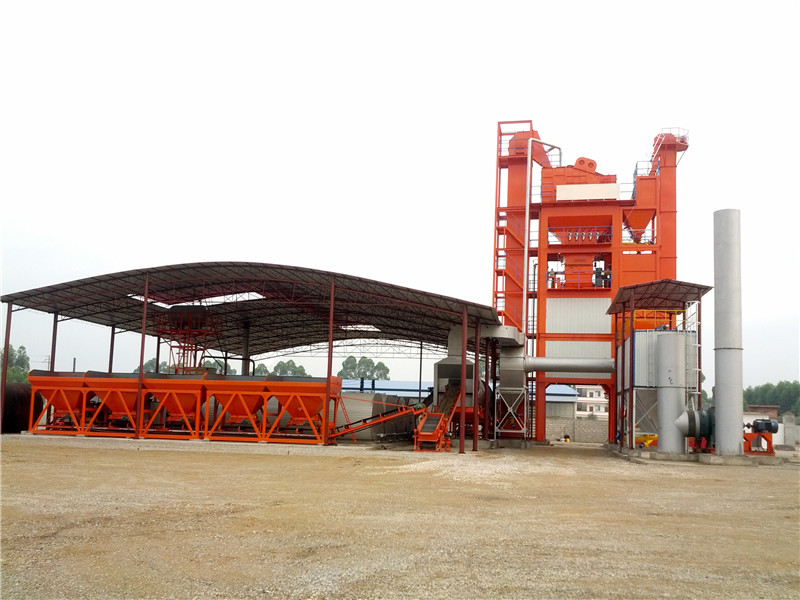
A stationary asphalt mixing plant is a permanently installed facility designed to produce asphalt mixtures continuously or in batches. Unlike mobile plants, stationary units are built on stable foundations and are engineered for long-term, high-volume production. They operate with fully integrated systems that manage aggregate drying, heating, screening, mixing, pollution control, and finished material storage.
Because of their structural strength and advanced automation, stationary plants deliver extremely stable asphalt quality, making them suitable for high-specification road construction.
Core Components of a Stationary Asphalt Mixing Plant
A complete stationary asphalt plant includes several essential modules that work together to ensure consistent and efficient asphalt production.
Cold Aggregate Feeding System
This system stores, meters, and conveys aggregates into the drying drum. Accurate feeding ensures the mixture meets required gradation standards and improves consistency in the final product.
Drying and Heating Drum
In this rotating drum, aggregates are heated to the desired temperature. Efficient burners and optimized heat exchange designs improve fuel efficiency while ensuring uniform aggregate heating.
Screening and Hot Aggregate Storage
After drying, aggregates are lifted and screened into different sizes. Proper separation ensures accurate recipe control and high-quality asphalt output. Hot aggregate bins support continuous production even during peak demand.
Weighing and Mixing System
The weighing system ensures precise proportions of aggregates, filler, bitumen, and additives. The mixer, usually a twin-shaft or double-horizontal structure, provides robust mixing power, achieving uniformity even with demanding asphalt formulations.
Bitumen Supply and Heating System
This system maintains the bitumen at stable temperatures. Consistent bitumen heating is essential for ensuring good workability, flowability, and bonding strength in the final mixture.
Dust Collection and Environmental System
Stationary asphalt plants are equipped with primary and secondary dust collectors. High-efficiency baghouse filter systems help meet environmental regulations by capturing fine dust, ensuring cleaner operation and compliance with global emission standards.
Finished Asphalt Storage Silos
Insulated silos store finished mixtures at controlled temperatures, allowing flexible production scheduling and preventing thermal degradation.
Main Applications of Stationary Asphalt Mixing Plants
Stationary asphalt plants are ideal for projects requiring long-term, large-volume asphalt production.
Highway and Expressway Construction
Highways require asphalt with stable performance and precise gradation. Stationary plants deliver the consistent quality needed for such demanding applications.
Municipal Road Engineering
Urban construction projects, including arterial roads, bus lanes, and public infrastructure, rely on stationary plants for continuous and high-quality supply.
Airport Runway and Taxiway Projects
Airports require asphalt mixtures with enhanced strength, durability, and temperature stability. Stationary plants can meet these stringent standards through accurate formulation control.
Large Industrial and Port Infrastructure
High-load pavements, container yards, and logistics hubs depend on asphalt with excellent deformation resistance—qualities that stationary plants can consistently achieve.
Long-Term Fixed Production Bases
Contractors involved in large regional road networks often invest in stationary plants as permanent production centers supporting continuous road development.
Key Advantages of Stationary Asphalt Mixing Plants
High Production Capacity
Stationary plants can produce large volumes of asphalt continuously, making them suitable for major infrastructure projects or long-term commercial asphalt supply operations.
Superior Mixing Quality
Advanced mixing technologies ensure uniform blending of aggregates, bitumen, and additives, resulting in stable and high-performance asphalt mixtures.
Strong Durability and Long Service Life
Large-scale steel structures, industrial-grade components, and top-tier burners and filters provide long-lasting reliability under heavy-duty usage.
Customization and Flexible Configuration
Buyers can choose from a range of production capacities, mixing tower layouts, dust collection systems, and control options. This flexibility supports local project requirements and compliance standards.
Energy Efficiency and Environmental Protection
Modern stationary plants integrate low-emission burners, optimized drying systems, and efficient dust collectors, helping operators reduce fuel consumption and environmental impact.
Advanced Automation and Control
Intelligent control systems provide real-time monitoring of all production parameters. Automated fault detection and recipe management improve productivity and reduce staffing requirements.
Global Market Trends for Stationary Asphalt Mixing Plants
The global demand for stationary asphalt plants is steadily growing due to continuous investments in road expansion, infrastructure renewal, and urban development. Emerging economies in Asia, the Middle East, Africa, and South America are investing heavily in expressways, industrial zones, and airport construction, driving increasing demand for high-capacity asphalt equipment.
At the same time, environmental regulations are pushing manufacturers to adopt more efficient dust control, energy-saving burners, and green production technologies. Digital control and remote monitoring are also becoming essential for modern asphalt plants, enabling more accurate management and lower maintenance costs.
How to Choose a Reliable Stationary Asphalt Mixing Plant Supplier
Choosing the right supplier directly affects long-term plant performance and return on investment. Buyers should evaluate:
Production capacity and technical strength
Experience in exporting and installation services
Availability of customized layouts and configurations
Quality of core components such as burners, mixers, and bag filters
Automation system reliability and user interface design
Compliance with local standards and emission requirements
After-sales support, spare parts supply, and maintenance capability
A dependable supplier not only provides machinery but also offers engineering services, installation guidance, operator training, and long-term technical support.
Conclusion
A stationary asphalt mixing plant is an essential asset for large-scale road construction and long-term infrastructure development. With high productivity, excellent mixing performance, and reliable durability, it provides a stable supply of high-quality asphalt mixtures for demanding applications. For buyers planning large construction projects or long-term production bases, investing in a well-designed stationary asphalt plant ensures consistent output, cost efficiency, and long-term operational stability.