
Stationary Stone Crushing Plant: Features, Applications, Performance Benefits and Market Insights
A stationary stone crushing plant is a complete production system designed for long-term, high-capacity processing of hard rock, gravel, minerals, and construction aggregates. Built on a permanent foundation and equipped with heavy-duty crushing and screening machinery, it is widely used in mining, quarrying, infrastructure construction, and aggregate manufacturing. For buyers seeking stable output, cost-effectiveness, and durable operation, stationary crushing plants remain the preferred solution.
What Is a Stationary Stone Crushing Plant?
A stationary stone crushing plant consists of multiple integrated machines that work together to break large stones into different-sized aggregates. Unlike mobile crushing plants, stationary systems are installed on fixed bases and are engineered for continuous, long-term production. Their high stability, enhanced performance, and large processing capacity make them suitable for large mines, quarries, and major construction material suppliers.
A typical stationary plant includes feeding equipment, primary and secondary crushers, screening units, conveyors, dust control systems, and electronic control modules. Together, these components ensure efficient crushing, uniform product quality, and steady output.
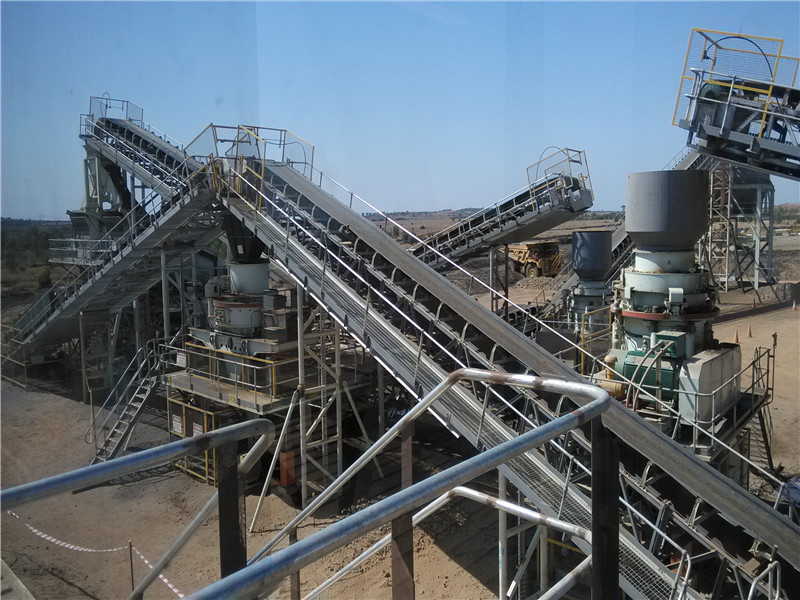
Core Components of a Stationary Crushing Plant
Vibrating Feeder
The feeder regulates and delivers raw materials into the crusher at a uniform rate, ensuring stable and efficient operation. It helps maintain consistent output and prevents crusher overload.
Primary Crusher
The primary crusher, often a jaw crusher, handles large boulders and reduces them into smaller, manageable sizes. It is designed for heavy-duty applications and provides the initial stage of material reduction.
Secondary and Tertiary Crushers
Depending on production requirements, cone crushers or impact crushers perform further crushing. Cone crushers offer excellent performance for hard rock, while impact crushers produce well-shaped aggregates for concrete and asphalt applications.
Screening System
The vibrating screen separates crushed materials into different grain sizes. Accurate screening ensures that the final products meet the required specifications for construction, road building, or commercial aggregate supply.
Conveying System
Multiple belt conveyors transport materials throughout the plant. Their layout ensures smooth transitions between crushing stages and efficient material flow.
Dust Control and Environmental System
Dust suppression units and dust collectors help maintain cleaner working conditions and ensure compliance with environmental regulations. This is especially important for quarry operations and urban project sites.
Electrical Control and Automation
Modern stationary crushing plants use intelligent control systems that monitor crusher performance, energy consumption, production output, and safety alerts. Automation improves operator efficiency and reduces downtime.
Main Applications of Stationary Stone Crushing Plants
Quarry Aggregate Production
Stationary plants are widely used in quarries to produce sand, gravel, and various aggregate sizes. Their high durability and stable performance support continuous 24-hour operations.
Mining and Mineral Processing
Mining operations use stationary crushing lines for handling ores, hard rock, and mineral deposits. These systems support high-volume extraction and processing with minimal maintenance interruptions.
Road and Highway Construction
Road projects require large quantities of crushed stone with strict size and quality standards. Stationary plants can produce high-strength aggregates that meet highway engineering requirements.
Concrete and Asphalt Manufacturing
Ready-mix concrete plants and asphalt mixing facilities rely on consistent aggregate quality. Stationary crushing lines provide uniform, high-quality materials for concrete blocks, pavements, and asphalt mixtures.
Hydraulic Engineering and Dam Construction
Hydroelectric dams, river protection projects, and large water conservancy constructions require durable aggregates. Stationary plants ensure stable supply for these long-term engineering works.
Key Advantages of Stationary Stone Crushing Plants
High Production Capacity
Stationary plants offer significantly higher output than mobile units. They support continuous, large-scale material processing, making them ideal for long-term commercial operations.
Excellent Crushing Efficiency
Equipped with robust crushers and advanced screening machines, stationary plants produce consistent, high-quality aggregates with excellent shape and gradation.
Strong Durability and Heavy-Duty Design
Large steel frames, industrial-grade components, and high-performance motors ensure long service life and reliable operation even in demanding environments.
Low Operating Cost Over Time
While initial investment may be higher, stationary plants have lower wear rates, reduced energy consumption per ton, and lower maintenance costs over their lifecycle.
Flexible Configuration and Customization
Buyers can customize the plant layout, crusher types, production capacity, automation level, and environmental systems according to their project needs.
Stable Performance for Long-Term Projects
Once installed, stationary plants provide superior stability, making them ideal for large-scale mining or multi-year infrastructure projects where consistency is essential.
Global Market Trends for Stationary Crushing Plants
Demand for high-quality aggregates continues to rise due to global infrastructure expansion, urban development, and the growth of the mining industry. Asia-Pacific, Africa, and the Middle East remain major growth regions where rapid construction activities and quarry development support strong market demand.
Technological advancements are also driving the adoption of intelligent control systems, energy-efficient crushers, and environmentally friendly dust control solutions. These innovations improve operational efficiency and meet stricter environmental regulations worldwide.
Conclusion
A stationary stone crushing plant is a powerful and reliable solution for producing high-quality aggregates in large volumes. With strong durability, stable performance, and flexible configuration options, it supports a wide range of quarrying, mining, and construction applications. For companies seeking long-term production efficiency, investing in a well-designed stationary crushing line ensures consistent output and substantial cost savings over time.