
How to Choose the Right Dry Mix Concrete Batching Plant for Your Project
Selecting the right Dry Mix Concrete Batching Plant is critical to ensure efficiency, cost-effectiveness, and consistent concrete quality for your construction projects. With multiple models, capacities, and configurations available on the market, making the right choice can be overwhelming. This guide will help you understand key factors to consider when choosing a dry mix plant and provide actionable tips for decision-making.
What is a Dry Mix Concrete Batching Plant?
A Dry Mix Concrete Batching Plant is a facility that produces dry concrete, which is then transported to construction sites for mixing with water before use. Unlike wet mix plants, the cement, aggregates, and additives are weighed and batched separately, providing flexibility and reducing the risk of concrete spoilage during transport. Dry mix plants are widely used for small to medium construction projects, road building, and precast concrete operations.
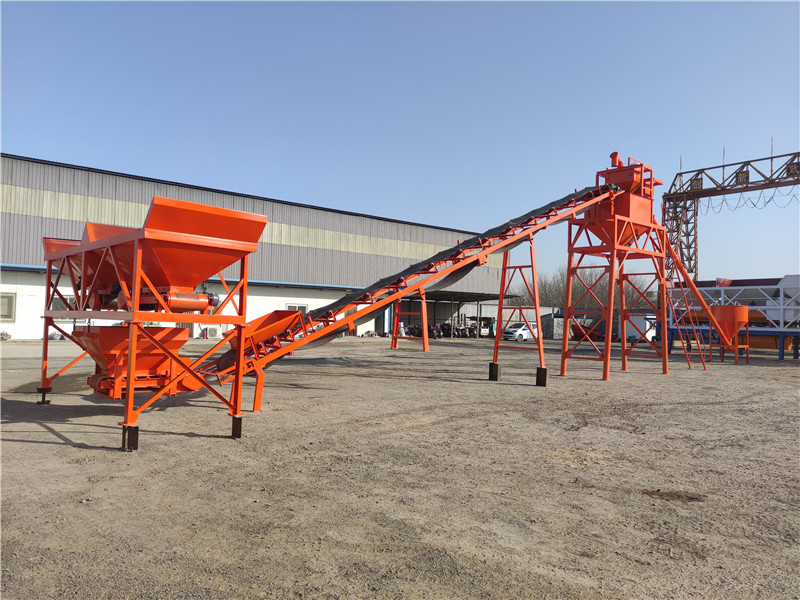
Key Advantages of Dry Mix Concrete Batching Plants
Lower Water Requirement
Dry mix plants require water to be added only at the construction site, allowing for precise control of concrete consistency.
Flexibility in Site Operations
They are ideal for projects spread across multiple sites because concrete is transported dry and mixed on-site as needed.
Cost-Effective
Dry mix plants typically have lower initial investment and maintenance costs compared to wet mix plants, making them suitable for small to medium projects.
High Productivity
Modern dry mix plants can produce several batches per hour, meeting the demand of most construction projects efficiently.
Durability and Reliability
Designed for continuous operation, dry mix plants offer long-term reliability with minimal downtime.
Factors to Consider When Choosing a Dry Mix Concrete Batching Plant
1. Production Capacity
The first step in selecting a batching plant is determining your required output.
Small projects: 25–50 m³ per hour.
Medium projects: 50–100 m³ per hour.
Large projects: 100+ m³ per hour.
Choosing the right capacity ensures cost efficiency and avoids unnecessary energy or labor costs.
2. Number of Aggregate Bins
Aggregate bins store sand, gravel, or crushed stone. The number of bins affects flexibility:
Single-bin systems are suitable for projects with uniform aggregate requirements.
Multiple-bin systems (3–4 bins) allow the plant to handle various aggregate types and sizes, improving mix precision.
3. Type of Batching System
Dry mix plants can be manual, semi-automatic, or fully automatic:
Manual plants require operator intervention for batching and weighing.
Semi-automatic plants automate weighing but require some human oversight.
Fully automatic plants are ideal for high-efficiency projects, providing precise batching and reduced labor.
4. Mixer Type
While dry mix plants produce dry concrete, some configurations include optional mixers:
Pan Mixers: Ideal for high-quality concrete with uniform mixing.
Drum Mixers: Efficient for general-purpose construction projects.
Your choice depends on the required concrete quality and project specifications.
5. Space and Mobility
Stationary plants are suitable for large projects with a fixed location.
Mobile plants can be relocated easily, perfect for road construction or multi-site projects.
Consider available space and site conditions before finalizing a plant type.
6. Automation and Control System
Modern dry mix plants are equipped with PLC or computer-controlled systems that:
Ensure accurate batching and weighing
Minimize human error
Provide real-time monitoring of production parameters
Automation improves consistency and reduces operational risks.
7. Maintenance and Durability
Look for a plant built with high-quality materials for longevity. Key components like conveyor belts, aggregate bins, and weighing systems should be easy to maintain and replace. This minimizes downtime and reduces long-term operating costs.
8. Environmental Considerations
Dust and noise control are important factors, especially for urban projects. Check whether the plant includes:
Dust collection systems
Noise reduction features
Compliant with local environmental regulations
Tips for Choosing the Right Supplier
Experience and Reputation: Choose suppliers with proven track records and industry certifications.
After-Sales Support: Ensure the supplier provides installation, training, and spare parts support.
Custom Solutions: Some projects may require customized plant layouts or capacity adjustments.
Budget and ROI: Compare different options considering initial cost, operational cost, and expected return on investment.
Conclusion
Choosing the right Dry Mix Concrete Batching Plant is a strategic decision that directly impacts your project’s efficiency, cost, and concrete quality. By evaluating factors like production capacity, number of bins, automation level, mixer type, and environmental compliance, you can select a plant that meets both your operational and budgetary requirements.
Investing in the right batching plant ensures faster project completion, consistent quality, and long-term profitability. Whether you are managing a small construction site or a large-scale infrastructure project, the right dry mix plant is the foundation for success.