
How Dry Mix Concrete Batching Plants Improve Construction Efficiency
In modern construction, timely and consistent delivery of high-quality concrete is essential for project success. Dry Mix Concrete Batching Plants have become a game-changer in achieving these goals, particularly for small and medium construction projects, road works, and precast concrete applications. By automating cement, aggregate, and additive handling, these plants enhance efficiency, reduce labor costs, and improve overall project timelines.
Understanding Dry Mix Concrete Batching Plants
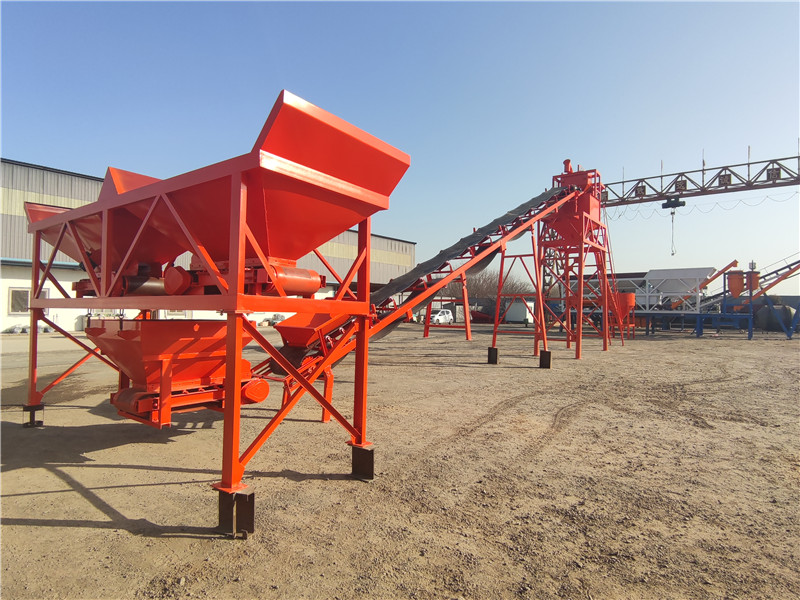
A Dry Mix Concrete Batching Plant is a facility where cement, sand, aggregates, and additives are weighed and batched separately. Unlike wet mix plants, water is not added at the plant but instead at the construction site. This approach ensures concrete can be transported without setting prematurely and allows for flexible on-site mixing.
Key Ways Dry Mix Plants Improve Construction Efficiency
1. Faster Production and Delivery
Dry mix plants can produce multiple batches per hour, depending on their capacity. By batching materials in advance and transporting them dry to the site, construction teams can mix concrete as needed without waiting for deliveries. This reduces idle time and keeps projects on schedule.
2. Reduced Labor and Operational Costs
Traditional concrete handling involves significant manual labor, including lifting, weighing, and mixing. Dry mix plants automate most of these tasks, reducing labor requirements and minimizing human error. Workers can focus on quality control and site operations instead of repetitive manual tasks.
3. Consistent Material Quality
Automated weighing and batching systems ensure precise ratios of cement, aggregates, and additives. Consistent concrete quality reduces rework, material wastage, and potential structural issues, ultimately saving time and costs on the project.
4. Flexibility Across Multiple Sites
Since dry mix concrete can be transported without setting prematurely, plants can serve multiple construction sites efficiently. Mobile dry mix plants are particularly advantageous for road construction, bridge works, or projects spread over a wide area. This flexibility minimizes delays caused by distance or transport time.
5. Minimized Waste and Resource Efficiency
Automated batching ensures that only the exact required quantity of cement and aggregates is used. This precision reduces material wastage and lowers costs. Additionally, dry mix plants often integrate dust collection systems, keeping cement and aggregates contained and reducing environmental impact.
6. Quick Setup and Easy Maintenance
Dry mix plants are designed for rapid installation, especially mobile units. This allows construction projects to begin batching concrete almost immediately after plant setup. Modular designs also simplify maintenance, ensuring minimal downtime during project execution.
7. Environmental and Safety Advantages
Modern dry mix plants include dust collection systems and noise reduction features. This not only protects workers but also ensures compliance with environmental regulations. A cleaner, safer site reduces potential delays caused by health or regulatory issues.
Applications Where Efficiency Matters Most
Road Construction: Dry mix plants supply consistent concrete quickly for pavement, sidewalks, and curbs.
Precast Concrete Production: Ensures uniform quality for precast slabs, blocks, or beams.
Residential and Commercial Buildings: Supports multiple floors or units with precise, on-demand concrete batches.
Infrastructure Projects: Bridges, tunnels, and airports benefit from fast, flexible concrete delivery.
Tips for Maximizing Efficiency with a Dry Mix Plant
Choose the Right Capacity: Match the plant’s output with your project’s daily concrete requirements.
Automate Where Possible: PLC-controlled systems reduce errors and speed up operations.
Integrate Mobile Solutions: For multi-site projects, consider mobile dry mix plants to minimize transport delays.
Regular Maintenance: Keep conveyors, weighing systems, and dust collectors in top condition to prevent downtime.
Plan Material Storage: Ensure aggregates and cement are stored correctly to avoid contamination or moisture issues.
Conclusion
Dry Mix Concrete Batching Plants are more than just equipment—they are strategic tools for improving construction efficiency. By combining speed, accuracy, and flexibility, these plants help construction teams save time, reduce costs, and maintain high-quality standards. For projects that demand timely delivery and consistent concrete quality, a dry mix batching plant is an investment that directly boosts productivity and project success.