
Bag Cement Feeding System: The Complete Guide for Efficient Cement Handling
A Bag Cement Feeding System is a practical and cost-effective solution for feeding cement from standard bags directly into concrete mixers, batching plants, or dry mortar production lines. Compared with bulk silo systems, this system is especially suitable for small and medium-sized projects where flexibility, low investment, and easy installation are key requirements.
By automating the process of bag breaking, feeding, and weighing, a bag cement feeding system significantly improves productivity while reducing labor intensity and material waste.
What Is a Bag Cement Feeding System?
A Bag Cement Feeding System is a mechanical setup designed to handle cement packed in 25kg or 50kg bags. The system breaks the bags, discharges the cement into a hopper, and transports it to the next stage of production, usually through a screw conveyor or bucket elevator.
It is widely used in:
Concrete batching plants
Dry mortar and plaster production lines
Precast concrete factories
Small-scale construction sites
Cement packaging and reprocessing facilities
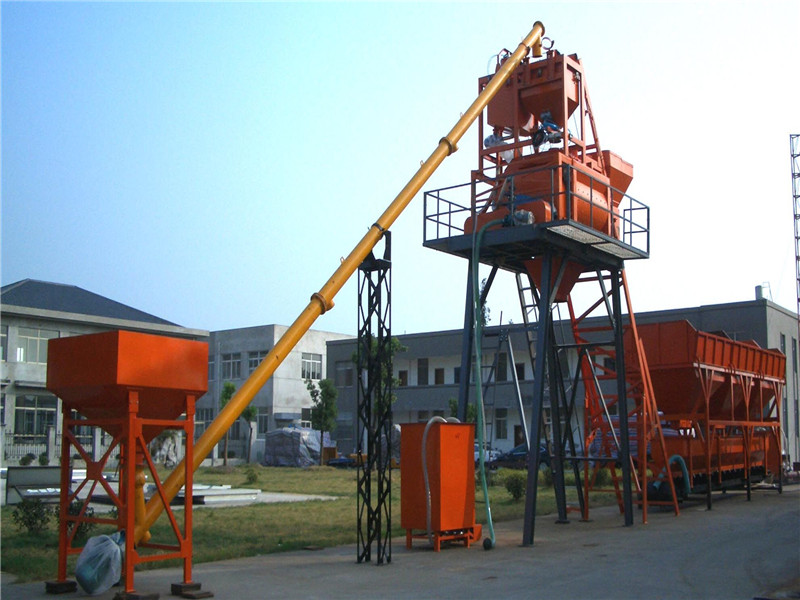
Main Components of a Bag Cement Feeding System
A typical bag cement feeding system consists of several key parts working together:
1. Cement Hopper with Bag Breaker
The hopper is equipped with internal knives or rotating blades that automatically tear open the cement bags. Cement powder falls into the hopper while empty bags are separated for disposal.
2. Screw Conveyor or Bucket Elevator
After discharge, cement is transferred via a screw conveyor or bucket elevator to the cement scale or directly into the mixer.
3. Dust Collection Unit
To control airborne cement dust, most systems include a dust collector with filters, ensuring cleaner and safer operation.
4. Cement Weighing Scale
For precise batching, a weighing system measures the exact amount of cement required for each mix.
5. Control System
Depending on the automation level, the system may use manual controls or PLC-based automation for fully automatic operation.
Working Principle of a Bag Cement Feeding System
The working process is simple and efficient:
Workers place cement bags onto the feeding platform or hopper.
The bag breaker cuts open the bags automatically.
Cement powder drops into the hopper.
The screw conveyor transports cement to the weighing scale.
Cement is discharged into the concrete mixer or production line.
This process ensures continuous feeding and stable production.
Advantages of Bag Cement Feeding Systems
Increased Productivity
Automated feeding improves efficiency by 2–3 times compared to manual pouring, making it ideal for high-demand production environments.
Reduced Labor Intensity
Workers no longer need to lift and empty heavy cement bags manually, reducing physical strain and workplace injuries.
Dust-Free Operation
With proper dust collection, the system minimizes airborne particles, creating a healthier and more compliant working environment.
Accurate Cement Measurement
Integrated weighing systems ensure precise dosing, maintaining consistent mix ratios and improving product quality.
Enhanced Safety
Fewer manual operations reduce risks of cement inhalation, spillage, and accidents.
Easy Installation and Maintenance
Compared to bulk silo systems, bag cement feeding systems are easier to install and require less infrastructure investment.
Applications Across Industries
Ready-Mix Concrete Plants
Ensures fast and accurate cement feeding into mixers, improving concrete quality and production speed.
Dry Mortar and Plaster Production
Automates cement dosing for stable product composition and higher output.
Cement Manufacturing and Repackaging
Useful for reprocessing bagged cement into different formulations.
Construction Sites
Perfect for temporary setups where bulk silos are impractical or too costly.
How to Choose the Right Bag Cement Feeding System
When selecting a bag cement feeding system, consider these key factors:
Feeding Capacity
Match system throughput with your daily production volume to avoid bottlenecks.
Bag Specifications
Ensure compatibility with standard 25kg or 50kg cement bags.
Automation Level
Choose from manual, semi-automatic, or fully automatic systems based on budget and production scale.
Dust Control Requirements
High-output systems should include efficient dust collectors to meet safety regulations.
Equipment Integration
Verify compatibility with existing mixers, batching plants, and production lines.
Maintenance Support
Check availability of spare parts and ease of system servicing.
Common Challenges and Solutions
Dust Leakage
Use sealed bag breakers and high-efficiency dust collectors to prevent air pollution.
Material Blockage
Regularly clean screw conveyors and adjust operating speeds.
Inaccurate Dosing
Calibrate weighing sensors frequently to maintain precision.
Bag Cement Feeding System vs Bulk Cement Silo
Compared to bulk cement silos, bag cement feeding systems offer:
Lower initial investment
Easier installation
Greater flexibility for small projects
No need for tanker trucks
However, bulk silos are more suitable for very large-scale continuous production.
Why Bag Cement Feeding Systems Are Essential for Modern Plants
In today’s construction and manufacturing industries, efficiency, safety, and cost control are critical. A bag cement feeding system provides an ideal balance between automation and affordability, making it a popular choice for businesses looking to upgrade from manual handling without investing in large-scale silo infrastructure.
With proper design and dust control, a bag cement feeding system can dramatically improve productivity, reduce labor costs, and ensure consistent cement quality across all applications.