
What Capacity Mobile Concrete Batching Plant Do You Need?
Choosing the right Mobile Concrete Batching Plant capacity is one of the most important decisions for contractors, construction companies, and concrete suppliers. A plant that is too small may delay projects and increase operating costs, while an oversized plant can lead to unnecessary investment and underutilized resources.
The ideal capacity depends on your project scale, daily concrete demand, construction schedule, site conditions, and future business growth plans.
This guide explains how to determine the right mobile concrete batching plant capacity for your operation.
Why Choosing the Right Capacity Matters
Selecting the appropriate capacity directly affects:
Project completion speed
Equipment utilization rates
Labor efficiency
Fuel and energy consumption
Concrete quality consistency
Operational costs
Return on investment
A properly sized plant helps businesses maximize productivity while minimizing waste.
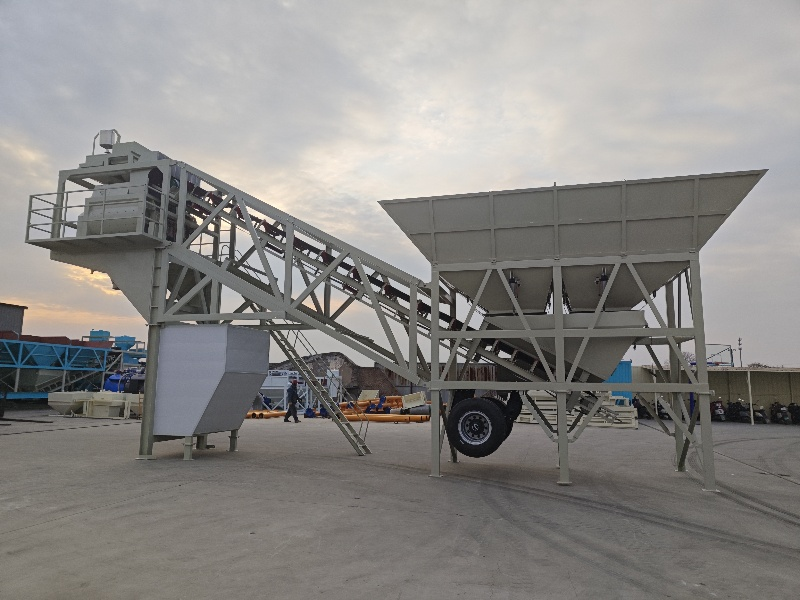
What Does Mobile Concrete Batching Plant Capacity Mean?
Plant capacity is typically measured in cubic meters per hour (m³/h).
It indicates how much fresh concrete the plant can produce under standard operating conditions.
Common mobile batching plant capacities include:
25 m³/h
35 m³/h
50 m³/h
60 m³/h
75 m³/h
90 m³/h
100 m³/h
120 m³/h
Actual output may vary depending on:
Aggregate moisture content
Material feeding speed
Mixer type
Operator experience
Environmental conditions
Transportation logistics
Key Questions to Ask Before Choosing Capacity
Before purchasing a mobile batching plant, answer these questions:
1. How Much Concrete Will You Need Per Day?
Calculate your average daily concrete requirement.
For example:
If your project requires 500 m³ daily and operates for 10 hours:
500 ÷ 10 = 50 m³/h
In this scenario, a 60 m³/h mobile batching plant would provide sufficient production capacity while allowing room for fluctuations.
2. What Type of Project Are You Working On?
Different projects require different capacities.
Small Projects
Examples:
Residential buildings
Rural roads
Small bridges
Municipal repairs
Recommended capacity:
25-50 m³/h
Medium Projects
Examples:
Commercial buildings
Industrial facilities
Highway sections
Infrastructure upgrades
Recommended capacity:
60-90 m³/h
Large Projects
Examples:
Airports
Large highways
Dams
Mining operations
Mega infrastructure projects
Recommended capacity:
90-120+ m³/h
Consider Your Project Duration
Short-term projects benefit greatly from mobile plants due to their portability.
Ask yourself:
How long will the project last?
Will the plant move between multiple sites?
Will several projects run simultaneously?
Companies serving multiple locations often choose higher-capacity models to maximize equipment utilization.
Evaluate Site Conditions
Jobsite conditions significantly impact capacity selection.
Consider:
Available Space
Mobile plants are compact, but larger capacities still require sufficient room for:
Aggregate storage
Cement silos
Truck movement
Material loading
Transportation Accessibility
Remote sites may have logistical limitations.
Large plants require:
Bigger transport vehicles
More material supply coordination
Power Availability
Higher capacities demand more power.
Check local infrastructure before purchasing.
Capacity Recommendations by Project Type
Road Construction
Recommended:
60-100 m³/h
Reason:
Continuous concrete demand and multiple pouring sections.
Bridge Construction
Recommended:
50-90 m³/h
Reason:
Precision and steady supply are essential.
Commercial Buildings
Recommended:
60-75 m³/h
Reason:
Regular concrete consumption throughout construction phases.
Mining Operations
Recommended:
75-120 m³/h
Reason:
Remote locations require self-sufficient concrete production.
Precast Concrete Production
Recommended:
60-100 m³/h
Reason:
Consistent quality and repetitive production cycles.
Don't Oversize Your Plant
Many buyers assume bigger is always better.
However, oversized equipment can increase:
Initial investment costs
Fuel consumption
Maintenance expenses
Idle equipment time
Operating inefficiencies
The goal is to balance current needs with future growth.
Industry experts often recommend selecting a plant with approximately 10%-20% additional capacity above your average demand.
Key Factors That Affect Actual Output
Even if a plant is rated at 60 m³/h, actual production may differ.
Several factors influence performance.
Mixer Type
Twin-shaft mixers generally provide:
Faster mixing
Better consistency
Higher productivity
Aggregate Feeding System
Efficient feeding systems reduce cycle times.
Automation Level
Modern control systems improve:
Accuracy
Speed
Production monitoring
Operator Experience
Skilled operators can maximize output while minimizing downtime.
Maintenance Quality
Regular maintenance ensures consistent performance.
Future-Proof Your Investment
When purchasing a mobile batching plant, think beyond your current project.
Ask yourself:
Will your business expand?
Will you bid on larger projects?
Will you serve multiple customers?
Will concrete demand increase over the next few years?
Choosing a slightly larger model today may save significant upgrade costs later.
Essential Features to Look For Alongside Capacity
Capacity should not be your only purchasing criterion.
Also evaluate:
Efficient Mixing System
Look for:
Twin-shaft mixers
High mixing uniformity
Fast discharge times
Intelligent Control System
Features include:
Touchscreen operation
Automatic batching
Data recording
Remote monitoring
Durable Structure
Choose plants built with:
Wear-resistant steel
Corrosion protection
Heavy-duty components
Dust Collection System
This improves:
Environmental compliance
Workplace safety
Equipment cleanliness
Easy Transportation Design
Look for:
Fast setup
Compact dimensions
Minimal disassembly requirements
Common Capacity Selection Mistakes
Avoid these common errors.
Choosing Based Only on Price
The cheapest option may not meet production requirements.
Ignoring Future Expansion
Purchasing too small may require costly upgrades.
Underestimating Peak Demand
Always account for production surges.
Neglecting Site Conditions
Transportation and installation limitations matter.
Overestimating Production Needs
Oversized plants increase operational expenses.
How to Work with a Reliable Manufacturer
A reputable supplier should help you evaluate:
Project size
Daily output requirements
Concrete grades
Site conditions
Power availability
Transportation limitations
Future expansion plans
Customized recommendations often deliver better long-term value than generic solutions.
Final Thoughts
There is no universal answer to selecting the ideal Mobile Concrete Batching Plant capacity.
The best choice depends on balancing production requirements, project scale, budget, and long-term business objectives.
For most contractors:
25-50 m³/h: Small projects
60-90 m³/h: Medium projects
90-120+ m³/h: Large infrastructure projects
Investing in the right capacity improves productivity, reduces costs, and ensures reliable concrete supply throughout every stage of construction.
A carefully selected mobile concrete batching plant is not just equipment—it is a strategic investment that supports sustainable business growth for years to come.