
Top Industries Using Dry Mix Concrete Batching Plants
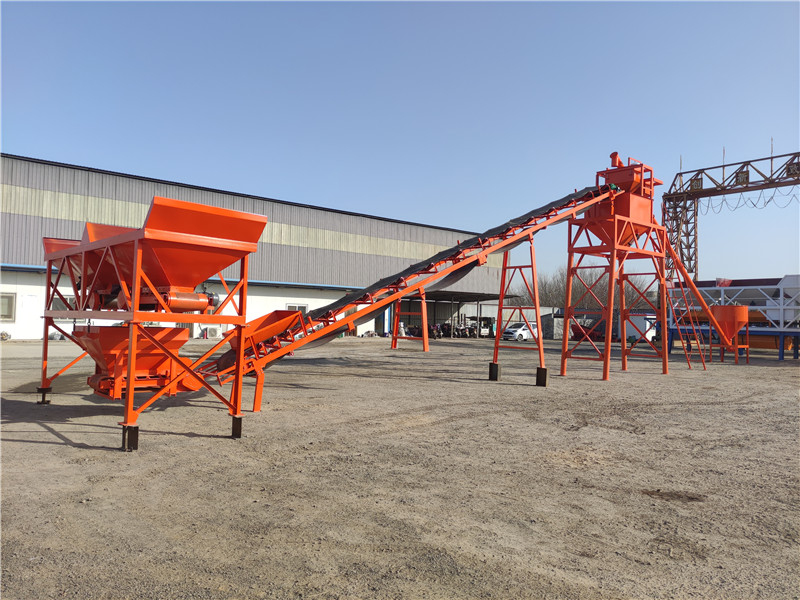
Dry mix concrete batching plants—also known as transit mix plants—have become a preferred solution across multiple industries due to their flexibility, cost efficiency, and scalability. Unlike wet mix plants, dry mix systems prepare the concrete ingredients (cement, aggregates, and additives) at the plant, while water is added during transportation in the mixer truck. This approach offers unique advantages for projects requiring large volumes, extended transport distances, or on-demand mixing.
Below is a detailed look at the top industries where dry mix concrete batching plants play a critical role.
1. Construction and Infrastructure Development
The construction sector is the largest consumer of dry mix concrete batching plants. From residential complexes to large-scale infrastructure, these plants provide a steady and reliable supply of concrete.
Key Applications:
High-rise residential and commercial buildings
Roads, highways, and bridges
Airports and railways
Dams and water treatment facilities
Why Dry Mix Plants Are Preferred:
Flexibility in adjusting mix proportions on-site
Reduced risk of premature setting during transport
Ideal for projects with multiple delivery points
For large infrastructure projects, especially those spread across wide geographic areas, dry mix batching plants ensure consistent quality while minimizing material waste.
2. Road Construction and Transportation Projects
Dry mix concrete batching plants are widely used in road construction due to their ability to supply fresh concrete over long distances without compromising quality.
Typical Uses:
Pavement construction
Expressways and rural road networks
Tunnel linings
Bridge decks
Industry Advantages:
Continuous supply for large-scale paving operations
Efficient logistics for remote or linear project sites
Lower operational costs compared to wet mix alternatives
Their mobility and quick setup make them suitable for temporary road construction projects.
3. Precast Concrete Manufacturing
Precast manufacturers rely on precise and consistent concrete mixtures. Dry mix batching plants allow producers to maintain strict quality control while optimizing production efficiency.
Common Precast Products:
Concrete blocks and bricks
Pipes and culverts
Panels and slabs
Structural components
Benefits for Precast Industry:
Accurate batching ensures uniform product quality
Easy integration with automated production lines
Reduced water usage at the plant
Dry mix systems also enable manufacturers to customize mixes for different product specifications.
4. Mining and Energy Sector
In mining and energy projects, concrete is required for structural support, equipment foundations, and underground applications. Dry mix batching plants are particularly useful in remote and challenging environments.
Applications:
Mine shaft linings
Equipment bases and heavy foundations
Wind turbine foundations
Hydropower and thermal power plants
Key Advantages:
Ability to operate in remote locations
Reduced need for water at the batching site
Improved logistics for difficult terrains
These plants help ensure continuous operations even in areas with limited infrastructure.
5. Urban Development and Smart City Projects
With rapid urbanization, cities are expanding at an unprecedented pace. Dry mix concrete batching plants support large-scale urban development by delivering concrete efficiently to multiple sites.
Use Cases:
Smart city infrastructure
Underground utilities and drainage systems
Public transportation systems
Parking structures and urban landscaping
Why They Fit Urban Projects:
Flexible delivery scheduling
Reduced congestion at construction sites
Lower environmental impact with controlled batching
Their ability to serve multiple small to medium-sized projects simultaneously makes them ideal for urban environments.
6. Industrial Construction
Industrial facilities require durable and high-strength concrete for heavy-duty applications. Dry mix batching plants provide the consistency and scalability needed for such projects.
Examples:
Factories and manufacturing plants
Warehouses and logistics centers
Oil and gas facilities
Chemical processing units
Industry Benefits:
Consistent mix quality for structural integrity
Efficient supply for large foundation pours
Adaptability to specialized concrete formulations
7. Marine and Coastal Engineering
Concrete used in marine environments must withstand harsh conditions such as saltwater exposure and high humidity. Dry mix batching plants are often used to supply concrete for such demanding applications.
Applications:
Ports and harbors
Offshore platforms
Coastal protection structures
Shipyards
Advantages:
On-demand mixing reduces risk of material degradation
Easier transport to coastal or offshore locations
Flexibility in using specialized admixtures
Key Advantages Driving Adoption Across Industries
Across all these industries, the growing adoption of dry mix concrete batching plants can be attributed to several core benefits:
Cost Efficiency: Lower initial investment and operational costs
Flexibility: Ability to adjust water content and mix design during transit
Scalability: Suitable for both small and large projects
Reduced Waste: Better material utilization and less rejected concrete
Logistics Optimization: Ideal for projects with long transport distances
Conclusion
Dry mix concrete batching plants have established themselves as a versatile and efficient solution across a wide range of industries—from construction and infrastructure to mining, energy, and urban development. Their flexibility, cost-effectiveness, and ability to deliver high-quality concrete on demand make them an essential asset in modern construction ecosystems.
As global demand for infrastructure and industrial development continues to rise, the role of dry mix batching plants will only expand, driven by the need for smarter, more efficient, and sustainable construction solutions.