
How Dry Mix Concrete Batching Plants Support Sustainable Construction
Sustainable construction is no longer optional—it’s a core requirement driven by environmental regulations, cost pressures, and growing demand for greener infrastructure. Dry mix concrete batching plants (transit mix plants) are increasingly recognized as a practical solution for reducing environmental impact while maintaining high efficiency and performance.
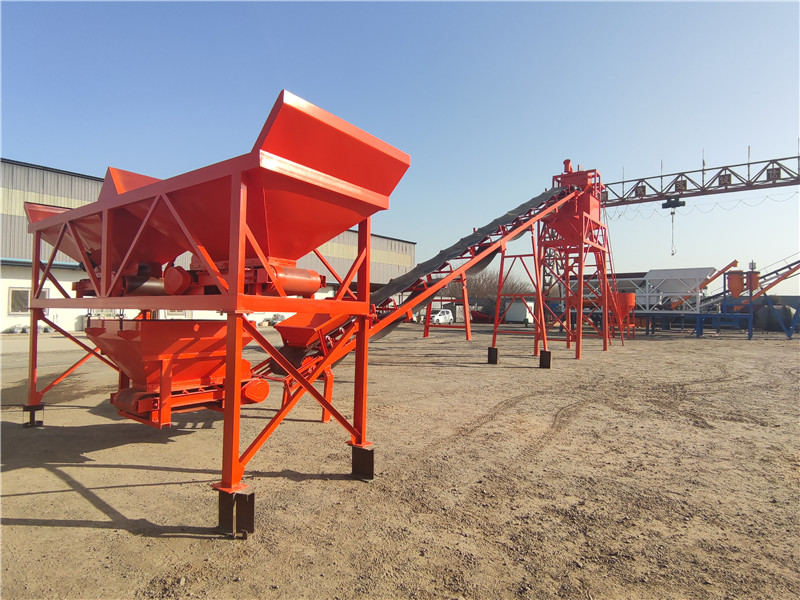
Unlike wet mix plants, dry mix systems combine cement, aggregates, and additives at the plant, with water added later in the transit mixer. This seemingly simple difference delivers multiple sustainability advantages across the construction lifecycle.
1. Reduced Material Waste
Material efficiency is one of the biggest contributors to sustainability in construction. Dry mix batching plants help minimize waste in several ways:
On-demand mixing: Water is added during transport, allowing contractors to adjust the mix based on real-time needs
Lower risk of rejected concrete: Reduced chances of premature setting or overmixing
Precise batching systems: Automated controls ensure accurate proportions of raw materials
This leads to less discarded concrete and more efficient use of cement, aggregates, and admixtures—directly lowering the project’s carbon footprint.
2. Lower Water Consumption
Water scarcity is a growing global concern, especially in large-scale construction projects. Dry mix plants contribute to water conservation by:
Eliminating water use at the batching plant
Allowing controlled water addition in transit mixers
Reducing water wastage from cleaning and overuse
Compared to wet mix systems, this approach can significantly cut water consumption, particularly in regions where water resources are limited.
3. Reduced Carbon Emissions
Dry mix concrete batching plants support emission reduction in multiple ways:
Optimized transportation: Materials are transported in a dry state, reducing the risk of spoilage and repeat deliveries
Lower energy usage: No need for continuous mixing at the plant reduces power consumption
Efficient logistics planning: Centralized batching with distributed delivery minimizes unnecessary trips
Additionally, reduced cement waste plays a major role, as cement production is one of the largest contributors to CO₂ emissions in construction.
4. Flexibility for Green Concrete Mixes
Sustainable construction often involves the use of eco-friendly materials such as:
Fly ash
Ground granulated blast furnace slag (GGBS)
Silica fume
Recycled aggregates
Dry mix batching plants are highly adaptable, making it easier to incorporate these supplementary cementitious materials (SCMs) into the mix design. This reduces reliance on traditional Portland cement and enhances the overall sustainability of the concrete.
5. Improved Site Efficiency and Reduced Pollution
Construction sites are major sources of dust, noise, and waste. Dry mix systems help mitigate these impacts:
Cleaner job sites: No wet slurry handling at the plant reduces spillage and contamination
Lower dust emissions: Enclosed batching and material handling systems improve air quality
Reduced noise levels: Simpler plant operations compared to wet mix systems
These improvements contribute to safer and more environmentally friendly construction environments.
6. Support for Modular and Mobile Construction
Modern sustainable construction increasingly relies on modular methods and decentralized project execution. Dry mix batching plants align well with these trends:
Easy to transport and install near project sites
Suitable for temporary or remote construction zones
Supports phased and distributed construction models
By reducing the distance between batching and placement, these plants help cut fuel consumption and emissions.
7. Enhanced Durability and Lifecycle Sustainability
Sustainability is not just about construction—it also includes the long-term performance of structures. Dry mix batching plants enable:
Consistent and high-quality concrete production
Better control over mix adjustments for specific environmental conditions
Integration of durability-enhancing admixtures
Stronger, more durable concrete structures require less maintenance and fewer repairs over time, reducing the overall environmental impact.
8. Compliance with Green Building Standards
Projects aiming for certifications such as LEED, BREEAM, or other green building standards can benefit from dry mix batching plants through:
Reduced material waste
Lower energy and water usage
Support for recycled and sustainable materials
These factors contribute to achieving sustainability benchmarks and improving a project’s environmental rating.
Conclusion
Dry mix concrete batching plants are more than just an alternative to traditional wet mix systems—they are a strategic asset for sustainable construction. By reducing waste, conserving water, lowering emissions, and enabling the use of eco-friendly materials, these plants play a crucial role in building greener infrastructure.
As the construction industry continues to prioritize sustainability, adopting dry mix batching technology is a practical step toward achieving environmental goals without compromising efficiency or quality.

 Previous: None