
Life Expectancy of a Dry Mix Concrete Batching Plant
The life expectancy of a dry mix concrete batching plant generally ranges from 10 to 25 years. The actual service life depends on several factors, including manufacturing quality, operating environment, production intensity, maintenance frequency, and the quality of raw materials used in daily operations. A well-maintained plant with high-quality components can continue operating efficiently for decades, while neglected equipment may suffer serious wear and reduced productivity within only a few years.
For construction companies and concrete producers, understanding the lifespan of a dry mix batching plant is important for reducing operational costs, improving production efficiency, and maximizing long-term return on investment.
What Determines the Lifespan of a Dry Mix Concrete Batching Plant?
The durability of a batching plant is influenced by both structural design and operational management. Every component, from aggregate feeding systems to electrical controls, experiences continuous mechanical stress during production.
A properly engineered dry mix concrete batching plant built with heavy-duty steel structures and industrial-grade components naturally lasts longer than low-cost systems manufactured with thinner materials or lower-quality mechanical parts.
However, even the best equipment requires proper maintenance and correct operation to achieve its full lifespan.
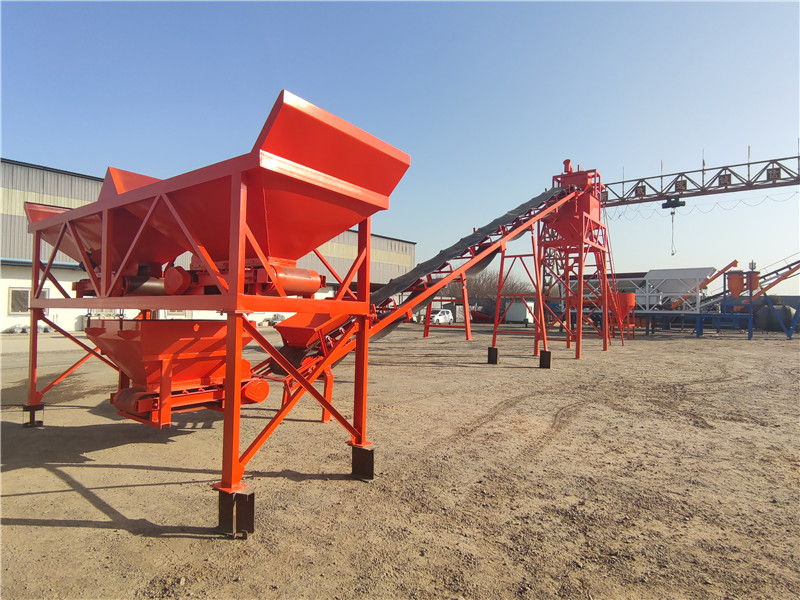
Equipment Quality Plays a Major Role
One of the biggest factors affecting plant life expectancy is manufacturing quality. Premium batching plants are designed for heavy industrial use and are equipped with durable components that resist wear, vibration, and corrosion.
High-quality plants often include:
Wear-resistant steel plates
Reinforced support structures
High-performance motors and gearboxes
Durable screw conveyors
Advanced PLC control systems
Corrosion-resistant coatings
Low-quality plants may initially cost less, but they often experience more breakdowns, reduced batching accuracy, and higher maintenance expenses over time.
Production Workload Affects Equipment Wear
The daily operating schedule directly impacts how quickly plant components wear out.
A batching plant operating occasionally for small construction projects experiences much less stress than a commercial plant running continuously for large-scale infrastructure or ready-mix concrete production.
Heavy production cycles accelerate wear in:
Conveyor belts
Aggregate feeders
Cement screw conveyors
Bearings and motors
Pneumatic systems
Continuous operation without sufficient maintenance intervals can shorten the overall lifespan of the equipment significantly.
Maintenance Is the Key to Long-Term Performance
Regular maintenance is essential for extending the life of a dry mix concrete batching plant. Many premature equipment failures are caused by poor maintenance rather than manufacturing defects.
Important maintenance tasks include:
Lubricating moving components
Cleaning cement residue and dust buildup
Inspecting conveyor systems
Calibrating weighing systems
Checking electrical connections
Replacing worn liners, seals, and bearings
Monitoring pneumatic pressure systems
Preventive maintenance helps avoid major breakdowns and ensures stable batching accuracy throughout the plant’s operational life.
Environmental Conditions Can Reduce Plant Lifespan
The surrounding environment has a major impact on equipment durability. Plants installed in harsh outdoor conditions are more vulnerable to corrosion and structural damage.
Common environmental challenges include:
High humidity
Coastal salt exposure
Heavy rainfall
Extreme heat or cold
Dust-intensive job sites
Moisture and cement dust are especially damaging because they accelerate corrosion and interfere with mechanical and electrical systems.
To protect the plant, many operators use:
Galvanized steel components
Industrial anti-corrosion paint
Covered aggregate storage
Weatherproof electrical cabinets
Proper drainage systems
Plants installed in controlled environments generally achieve a much longer service life.
Different Components Have Different Lifespans
Not all parts of a dry mix concrete batching plant wear at the same speed. Some structural components can last for decades, while high-friction mechanical parts require periodic replacement.
The main steel structure usually has the longest lifespan and can remain operational for more than 20 years if properly protected against rust and fatigue.
Components exposed to constant abrasion and movement, such as conveyor belts, screw conveyors, and mixing blades, wear faster and often require replacement during the plant’s lifetime.
Electrical systems and PLC controllers may also need upgrading as automation technology evolves and production requirements change.
Common Signs of Aging Equipment
As a batching plant ages, several warning signs may indicate the need for refurbishment or major maintenance.
Typical signs include:
Frequent equipment breakdowns
Reduced batching accuracy
Increased energy consumption
Cement leakage
Excessive vibration or noise
Conveyor misalignment
Corrosion on structural components
Slow production efficiency
Ignoring these issues can lead to costly downtime and reduced concrete quality.
How to Extend the Life of a Dry Mix Concrete Batching Plant
Proper operational management can significantly increase plant lifespan and reduce long-term operating costs.
Implement Preventive Maintenance
Routine inspections and scheduled servicing help identify problems before they become major failures. Daily cleaning and periodic lubrication are especially important in dusty concrete production environments.
Replace Wear Parts Promptly
Worn bearings, liners, seals, and conveyor components should be replaced before they damage surrounding systems. Delayed replacement often causes more expensive secondary failures.
Upgrade Automation Systems
Modern automation technology improves production control and reduces mechanical stress caused by operator error.
Advanced PLC systems can:
Improve batching accuracy
Reduce overload conditions
Optimize material flow
Monitor equipment performance in real time
Automation upgrades can extend equipment lifespan while improving production consistency.
Keep the Plant Clean
Cement buildup and dust accumulation are major causes of corrosion and mechanical blockage.
Critical cleaning areas include:
Cement discharge points
Conveyor transfer zones
Aggregate weighing hoppers
Pneumatic pipelines
A clean plant operates more efficiently and experiences fewer mechanical issues.
Protect Against Corrosion
Rust is one of the biggest threats to long-term structural durability.
Protective measures include:
Applying anti-rust coatings
Repairing paint damage quickly
Improving site drainage
Covering exposed components during severe weather
Proper corrosion control can add years to the operational life of the plant.
Refurbishment vs. Full Replacement
When equipment begins aging, many companies choose refurbishment instead of purchasing a completely new plant.
Common refurbishment projects include:
Replacing conveyor systems
Upgrading control software
Installing new motors and reducers
Replacing cement silos
Improving dust collection systems
A well-executed refurbishment can restore production efficiency and extend plant operation for many additional years.
Conclusion
The lifespan of a dry mix concrete batching plant depends on equipment quality, maintenance standards, environmental conditions, and daily production intensity. Most plants can operate efficiently for 10 to 25 years when properly maintained and upgraded over time.
Investing in preventive maintenance, automation improvements, and corrosion protection helps reduce downtime, improve batching consistency, and maximize the long-term value of the equipment. For concrete producers and construction companies, extending plant lifespan is not only about reducing replacement costs but also about maintaining stable and reliable production performance for years to come.