
Common Problems and Solutions in Skip Hoist Concrete Batching Plant
A Skip Hoist Concrete Batching Plant is widely chosen for small and medium construction projects due to its compact footprint, cost efficiency, and stable batching performance. However, like any mechanical system operating under heavy load and continuous cycles, certain issues can arise over time.
Understanding the most common problems — and how to solve them efficiently — helps plant owners reduce downtime, maintain concrete quality, and protect long-term profitability.
This guide outlines practical troubleshooting insights that are valuable for operators, maintenance teams, and project managers.
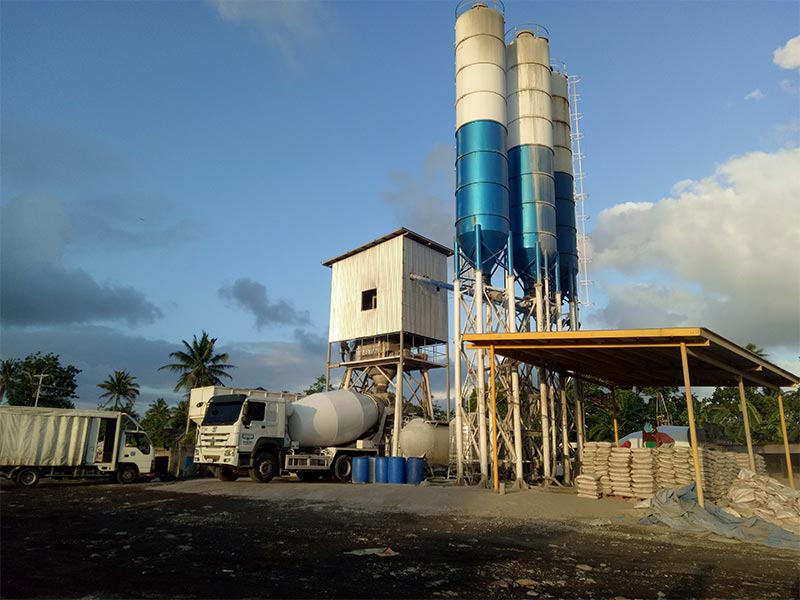
1. Skip Hoist Fails to Lift or Lifts Slowly
Possible Causes
Worn or loose wire rope
Motor power instability
Brake system not fully released
Overloaded aggregate bucket
Insufficient lubrication of pulleys
Solutions
Inspect and adjust wire rope tension regularly
Check voltage stability and motor performance
Test brake clearance and responsiveness
Ensure material loading does not exceed rated capacity
Apply proper lubrication to hoist components
Because the hoist system is the core mechanism of a Skip Hoist Concrete Batching Plant, regular inspection is critical to prevent production interruption.
2. Skip Bucket Jamming on Guide Rails
Possible Causes
Misalignment of guide rails
Debris or hardened concrete accumulation
Structural frame deformation
Worn roller wheels
Solutions
Realign guide rails and tighten structural bolts
Clean rails and bucket surfaces daily
Replace damaged rollers
Conduct monthly structural inspection
Jamming not only delays batching cycles but may also cause serious mechanical damage if ignored.
3. Inaccurate Weighing System
Accurate batching is essential for concrete quality. If your Skip Hoist Concrete Batching Plant shows inconsistent output strength, the weighing system may be the issue.
Possible Causes
Load cell damage
Loose sensor wiring
Calibration drift
Cement buildup in scale hopper
Solutions
Recalibrate weighing system regularly
Inspect and secure electrical connections
Replace faulty load cells immediately
Clean aggregate and cement scale hoppers
Precise weighing ensures compliance with project specifications and reduces material waste.
4. Mixer Does Not Mix Evenly
Uneven mixing leads to poor concrete consistency, affecting structural integrity.
Possible Causes
Worn mixing blades or liners
Incorrect mixing time settings
Overloading mixer capacity
Motor power fluctuations
Solutions
Replace blades and liners when wear exceeds tolerance
Adjust mixing duration based on material properties
Follow rated mixer capacity strictly
Monitor motor performance
Routine mixer maintenance directly affects concrete quality and plant reputation.
5. Excessive Vibration During Operation
Possible Causes
Worn bearings
Loose anchor bolts
Imbalanced mixer shaft
Foundation instability
Solutions
Replace damaged bearings
Tighten all structural bolts
Inspect shaft alignment
Reinforce plant foundation if necessary
Ignoring vibration can accelerate wear and shorten the lifespan of the entire Skip Hoist Concrete Batching Plant.
6. Cement Dust Leakage and Environmental Issues
Dust pollution can cause environmental complaints and reduce workplace safety.
Possible Causes
Damaged dust collector filter bags
Poor sealing of cement silo
Overfilled powder hopper
Broken screw conveyor seals
Solutions
Replace pulse dust collector filters periodically
Inspect and improve sealing performance
Install proper level indicators
Maintain screw conveyor regularly
Environmental compliance is increasingly important in urban construction projects.
7. Electrical Control System Failure
Modern Skip Hoist Concrete Batching Plants rely heavily on automated control systems.
Possible Causes
PLC malfunction
Moisture inside control cabinet
Sensor failure
Power surge damage
Solutions
Keep control cabinet sealed and clean
Install surge protection devices
Replace faulty sensors
Schedule regular electrical inspections
Electrical stability ensures continuous and safe plant operation.
8. Skip Hoist Brake Failure
Brake systems are critical for operational safety.
Possible Causes
Brake pad wear
Improper brake clearance
Oil contamination
Mechanical fatigue
Solutions
Inspect brake pads monthly
Adjust brake clearance properly
Keep braking components clean
Replace worn parts promptly
Never operate the plant if brake performance is compromised.
9. Concrete Discharge Door Not Opening Smoothly
Possible Causes
Pneumatic cylinder malfunction
Air pressure instability
Hardened concrete blocking the outlet
Damaged sealing strips
Solutions
Check air compressor pressure
Clean discharge gate after each shift
Replace worn seals
Inspect pneumatic valves
Smooth discharge improves production efficiency and reduces cycle time.
10. High Energy Consumption
Unexpectedly high energy usage increases operational costs.
Possible Causes
Motor overload
Poor lubrication
Excessive idle time
Inefficient production planning
Solutions
Monitor motor load continuously
Apply scheduled lubrication
Optimize batching schedule
Use energy-efficient control systems
Energy optimization improves long-term return on investment.
Preventive Maintenance Is the Best Solution
While troubleshooting is important, prevention is more cost-effective. A structured maintenance schedule for your Skip Hoist Concrete Batching Plant should include:
Daily visual inspections
Weekly lubrication
Monthly mechanical checks
Quarterly electrical inspection
Annual comprehensive overhaul
Maintaining detailed service records helps track component wear trends and plan proactive replacement.
When to Contact Professional Support
If your Skip Hoist Concrete Batching Plant experiences:
Repeated system failures
Severe structural damage
Major control system malfunction
Persistent batching inaccuracies
Professional technical support from the manufacturer or an experienced engineering team is recommended.