
What is a mobile container cement silo?
In simple terms, it is a hybrid solution that merges the portability of a standardized container with the bulk storage functionality of a cement silo. Constructed with a container-style frame, it is normally fitted with a bottom interface for connection to transport vehicles so it can be moved easily by truck, trailer, or similar transport modes. This design removes the constraints of traditional fixed cement silos and enables fast relocation between sites.
It provides a fully enclosed storage chamber together with a dedicated inlet and discharge system (for example, a screw conveyor). This combination not only satisfies short-term or temporary storage requirements for bulk powders like cement, but also supports agile, mobile operation across different locations such as construction sites and port areas. It is especially appropriate for small to medium-sized projects or jobs that need frequent repositioning, offering a balance between storage capacity and on-site flexibility.
Typical mobile cement silos are available in capacities ranging roughly from 18 to 100 cubic meters. A common 20-foot bulk cement tank container usually holds about 18–26 cubic meters. Horizontal cement silos — a typical mobile silo variant — are often offered in 30, 50, 80, and 100 ton capacities, which correspond approximately to 25, 50, 80, and 100 cubic meters, respectively.
If you need to relocate container cement tanks, please get in touch promptly — I can provide full support throughout the entire moving process.
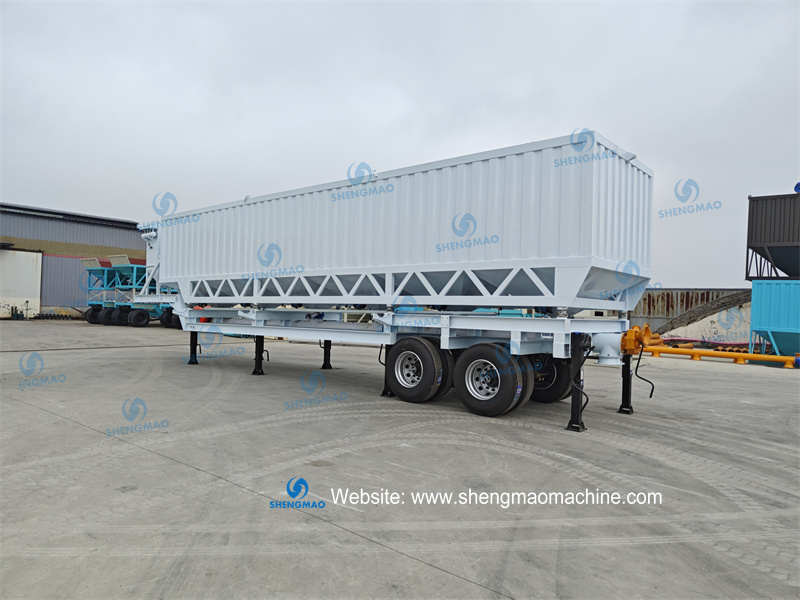
Core advantages and practical value
Mobile container cement silos combine the robustness of bulk storage with true site mobility. They significantly reduce the downtime and logistics complexity associated with loading, unloading and re-erecting fixed silos. For projects that change location frequently or operate across multiple short-duration sites, mobile silos cut transport costs, speed up material handling, and lower the need for local civil works.
Typical configurations and components
A mobile container cement silo usually includes: an enclosed storage vessel inside a container-style shell; bottom discharge flange or connector; feeding system (gravity inlet or pneumatic feed); a discharge mechanism such as a screw conveyor or auger; access ladders and service platforms; filtration or venting units to control dust; and lifting or tie-down points for safe transport. Some models also add level sensors, vibration devices or pneumatic aids to improve flow for difficult powders.
Capacities — what to expect
Standard 20-foot bulk cement containers: ≈ 18–26 m³.
Horizontal mobile silos: common nominal sizes 30 t, 50 t, 80 t, 100 t, roughly equivalent to 25, 50, 80, 100 m³.
Full range coverage: ~18 m³ up to ~100 m³, allowing operators to choose based on batch size, transport limits and on-site space.
Where mobile silos fit best (applications)
Temporary construction sites (bridges, roadworks, modular housing).
Port and terminal operations where temporary storage is needed close to discharge points.
Remote or developing sites where permanent infrastructure is not economical.
Small-to-medium precast yards, mobile concrete plants, or rental fleets that must redeploy assets often.
Emergency repair projects and modular build-outs requiring fast material supply.
Mobility & transport considerations
Because they are built like containers or low-profile horizontal tanks, mobile silos can be loaded and unloaded using standard container-handling equipment or hooked to tractor-trailers. Key transport attention points: secure all discharge and feed fittings; lock vents and hatches; ensure tie-down points are in good condition; check weight distribution and axle/load limits when moving over public roads; and comply with local transport regulations for oversized or heavy cargo.
Installation & commissioning at site
Select stable, level ground with adequate bearing capacity.
Connect the bottom discharge to the plant feed (conveyor, screw, pneumatic line) and verify seals.
Install dust collection/vent filters and confirm proper venting.
Power the feed/discharge equipment and test operation with a small amount of material to ensure flowability and no blockages.
Calibrate level sensors and test safety interlocks before full operation.
Maintenance & safe operation tips
Regularly inspect seals, discharge points and conveyors for wear and leakage.
Clean vent filters and dust collectors to maintain airflow and reduce pressure buildup.
Verify structural fastenings and lifting/tie-down hardware after each relocation.
Follow safe handling procedures for cement (PPE, dust control, eye/skin protection).
Keep records of material batches to manage moisture sensitivity and prevent hardened build-up.
Selection guide — how to choose the right mobile silo
Match capacity to average daily consumption and re-supply frequency.
Consider transport constraints (20-ft container footprint vs. horizontal trailerable units).
Review discharge method compatibility with your plant’s feed system (screw conveyor vs. pneumatic).
Check available accessories: level indicators, vibration/air-pulse aids, heating (if needed for moisture control), and dust collection.
Evaluate relocation frequency — higher redeployment rates favour containerized designs with standard handling points.
Benefits for project managers and procurement teams
Faster setup & teardown compared with fixed silos.
Lower upfront civil work and foundation cost.
Easier compliance with temporary site planning and rental strategies.
Improved material control and on-demand delivery close to the point of use.
Reduced material waste through cleaner, enclosed storage and controlled discharge.
Common questions (brief FAQ)
Q: Are mobile silos weatherproof?
A: Most container-style or enclosed mobile silos are designed to protect stored cement from rain and humidity, but additional moisture-control measures (covers, desiccants, heaters) may be needed in very wet climates.
Q: Can I use the same silo for different powders?
A: Yes, but thorough cleaning between materials is essential to avoid cross-contamination and flow problems. Some powders require dedicated equipment.
Q: How long does relocation take?
A: Time varies by model and site conditions; planning for securement, transport permits and reconnection is recommended. (If you want, I can advise on a relocation checklist.)
Q: Is dust control built in?
A: Most mobile silo designs include vents and filters; additional external dust collection can be fitted for higher regulatory environments.
Purchase & rental considerations
Decide whether purchasing or renting better matches project lifecycle.
For short-term or highly mobile needs, rental or leasing may be more economical.
For ongoing multi-site use, purchase often offers lower long-term cost per ton stored.
Verify supplier support for transport, setup and after-sales maintenance.