Dry Mix Concrete Batching Plant
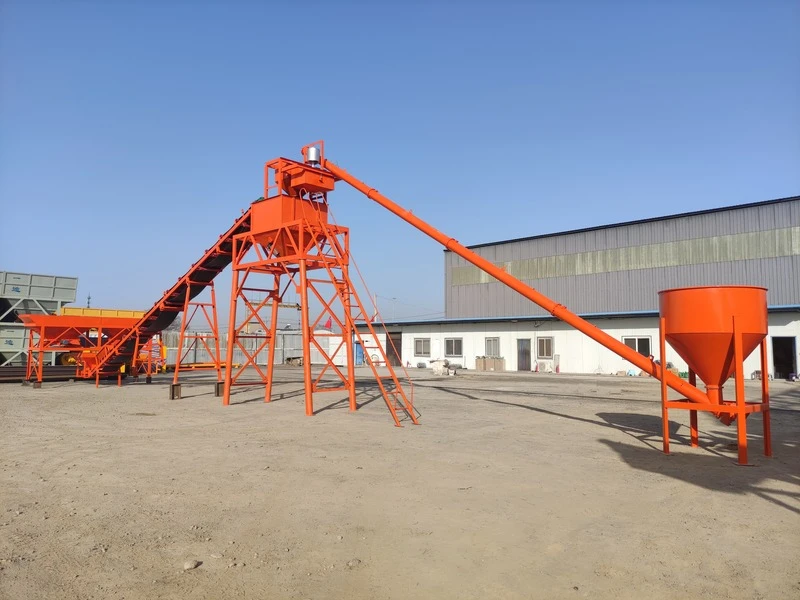
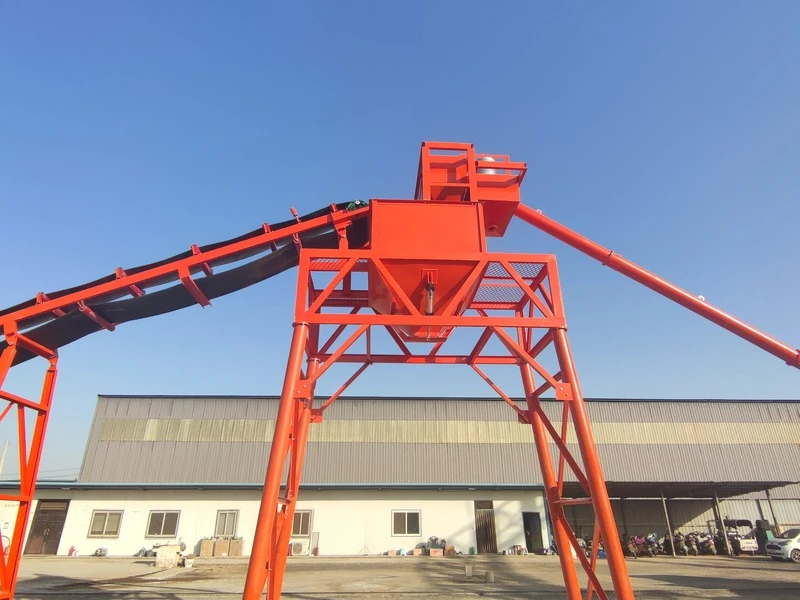
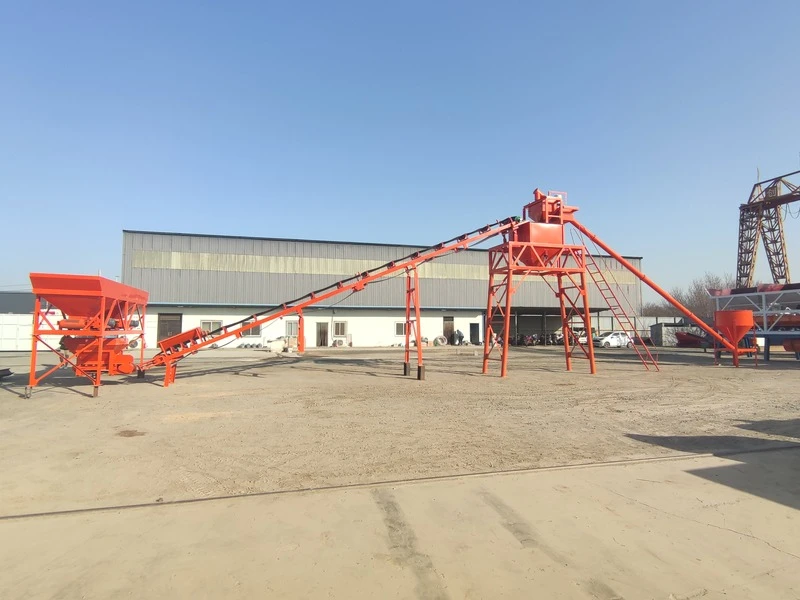
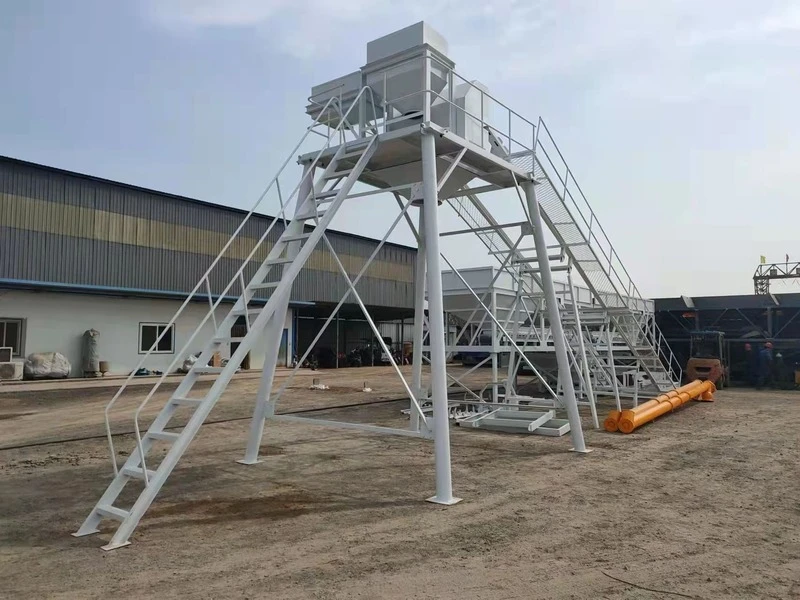
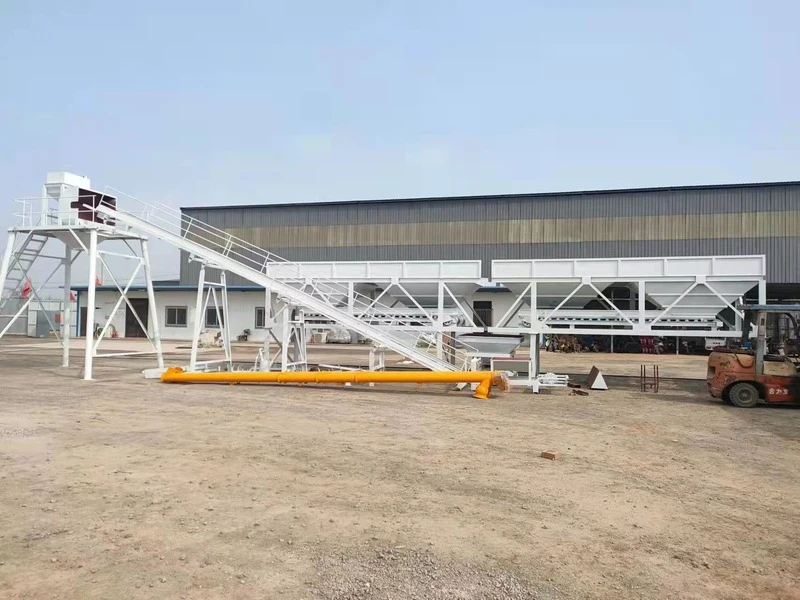
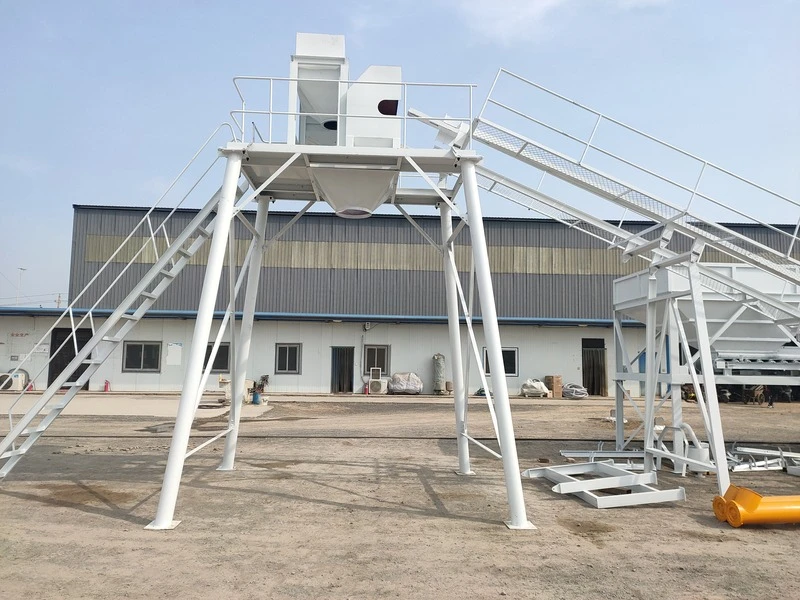
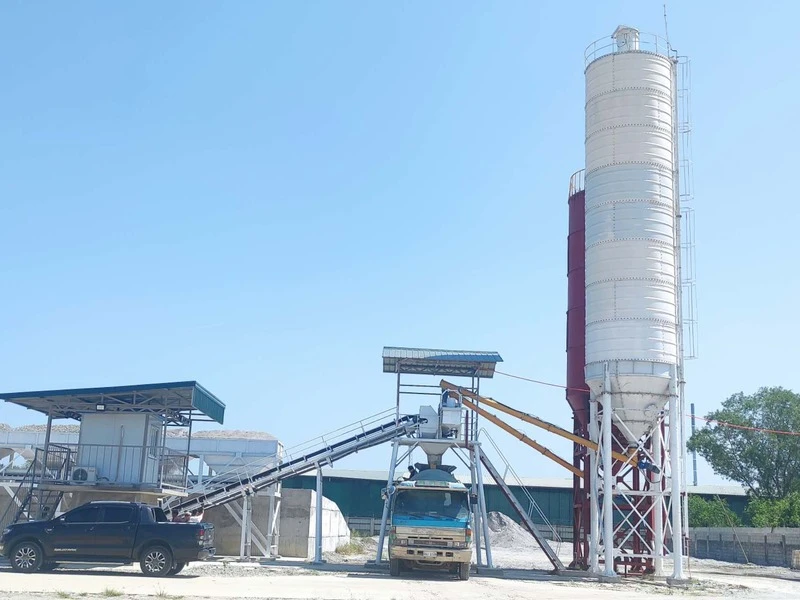
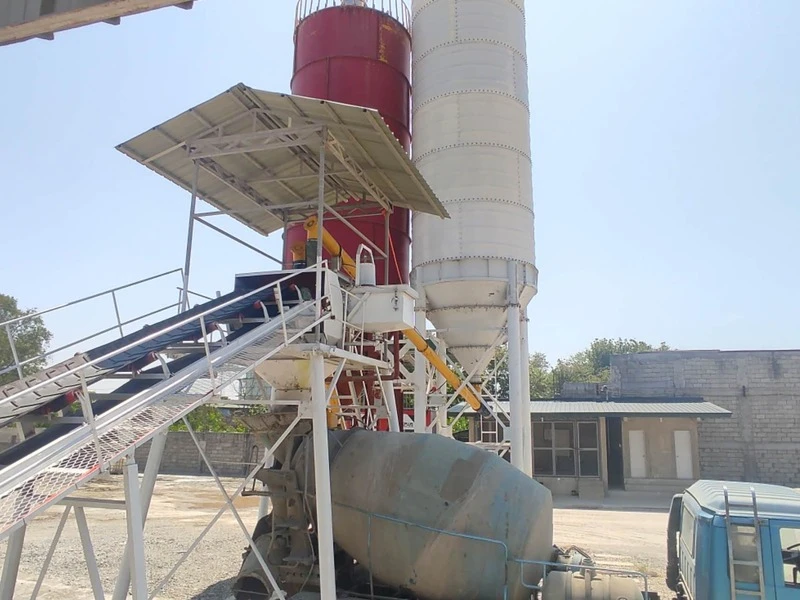
Stationary Dry Mix Concrete Batching Plant
A Stationary Dry Mix Concrete Batching Plant (also known as a Dry Batch Concrete Plant, Truck-Mix Plant, or Transit-Mix Plant) is a concrete manufacturing installation engineered to accurately weigh and batch all dry materials (sand, aggregates, cement, fly ash) alongside metered water and chemical admixtures, discharging them directly into a concrete transit mixer truck without central mixing at the plant tower.
Capacity available: 25m3/h; 35m3/h; 60m3/h; 90m3/h; 120m3/h;
Type: both mobile type and stationary type are available;
Control system language available: Chinese; English; Russian; French or Spanish.
Share:
PRODUCT DESCRIPTION
Henan Shengmao Machinery Co., Ltd. (Zhengzhou, China) manufactures the DHZS Series Stationary Dry Mix Concrete Batching Plants (standard capacities from25 m3/h to 120 m3/h).
Engineered for commercial ready-mix suppliers, highway paving contractors, and infrastructure developers, Shengmao DHZS plants provide maximum truck charging speed, low initial capital investment, substantial energy savings, and exceptional mechanical reliability.
Key Highlights
Truck-Mixing Dynamics (No Central Mixer): The plant eliminates the stationary twin-shaft mixer; the revolving drum of the transit mixer truck performs the thorough mixing en route or immediately upon arrival at the jobsite.
Rapid Truck Loading (~30 Seconds): Without the dwell time of central mixing, pre-weighed batches are discharged directly into the truck in under 30 seconds30 seconds, accelerating fleet turnaround.
Solves Long-Distance & Hot-Weather Challenges: Prevents premature setting, slump degradation, or drum solidification during extended transit times (1−2+ hours) or in high ambient temperatures.
Low Power & Minimal Maintenance: Eliminates heavy central mixer drive motors (saving 40%−60% connected electrical power) and eliminates mixer blade, liner plate, and shaft-end seal replacements.

PARAMETERS
Stationary dry mix concrete batching plant
|
Model |
HZG25 |
HZG35 |
HZG60 |
HZG90 |
HZG120 |
|
Production capacity (m3/h) |
25 |
35 |
60 |
90 |
120 |
|
Concrete mixer truck volume (m3) |
6 |
8 |
10 |
12 |
12 |
|
Aggregate feeding mode |
Belt conveyor |
Belt conveyor |
Belt conveyor |
Belt conveyor |
Belt conveyor |
|
Aggregate batcher |
PLD800 |
PLD1200 |
PLD1600 |
PLD2400 |
PLD3200 |
|
Max. aggregate size (mm) |
60/80 |
60/80 |
60/80 |
60/80 |
60/80 |
|
Discharging height (m) |
4.1 |
4.1 |
4.1 |
4.1 |
4.1 |
|
Aggregate weighing accuracy (%) |
±2 |
±2 |
±2 |
±2 |
±2 |
|
Cement weighing accuracy (%) |
±1 |
±1 |
±1 |
±1 |
±1 |
|
Water weighing accuracy (%) |
±1 |
±1 |
±1 |
±1 |
±1 |
|
Additive weighing accuracy (%) |
±1 |
±1 |
±1 |
±1 |
±1 |
|
Total weight (T) |
7 |
12 |
18 |
25 |
30 |
|
Control system |
Computer |
Computer |
Computer |
Computer |
Computer |
CORE PARAMETERS
Capacity available: 25m3/h; 35m3/h; 60m3/h; 90m3/h; 120m3/h;
Type: both mobile type and stationary type are available;
Control system language available: Chinese; English; Russian; French or Spanish.
CORE SELLING POINT
Lower Initial Investment (CapEx Advantage)
Eliminates the expensive central compulsory twin-shaft or pan mixer and heavy elevated mixing tower structures, significantly reducing equipment acquisition costs and lowering the barrier to entry for ready-mix suppliers.
Rapid Truck Loading & Accelerated Fleet Turnaround
Directly discharges pre-weighed aggregates, cement, water, and admixtures into transit mixer trucks via a high-speed inclined belt conveyor in under 30 seconds30 seconds (compared to 60−90 seconds in wet central plants), maximizing daily fleet delivery cycles.
Substantial Power Savings (40%−60% Reduction)
Eliminates high-kilowatt central mixer drive motors (37 kW−110 kW), drastically cutting electricity utility bills and enabling operation on smaller, economical diesel generator sets on off-grid sites.
Over 50%−60% Lower Maintenance Costs & Zero Mixer Cleaning
Without mixing blades, arms, liner plates, or shaft-end seals to inspect and replace, maintenance downtime is minimal. Completely eliminates the daily, labor-intensive task of washing and chipping hardened concrete out of a central mixer drum, while drastically cutting wastewater generation.
Superior for Long-Distance Delivery & Hot Climates
Prevents premature slump loss, thermal cracking, and flash-setting. Materials can travel dry or with minimal moisture over 1−2+ hours to distant pour locations, with final water dosing and high-speed mixing performed en route or on site.
High-Precision Material Dosing
Independent electronic load cells and automated PLC recipe management ensure strict adherence to international structural concrete standards: Aggregates (Sand & Stone): ±2% (PLD series multi-hopper batcher) Cement, Fly Ash, Water, and Liquid Additives: ±1%
Simplified Foundation & Fast Erection
Without the heavy dynamic oscillating load of an elevated mixer, the structural framing is lighter, foundation requirements are simplified, and site erection is completed rapidly.
RECOMMENDED USAGE SCENARIOS
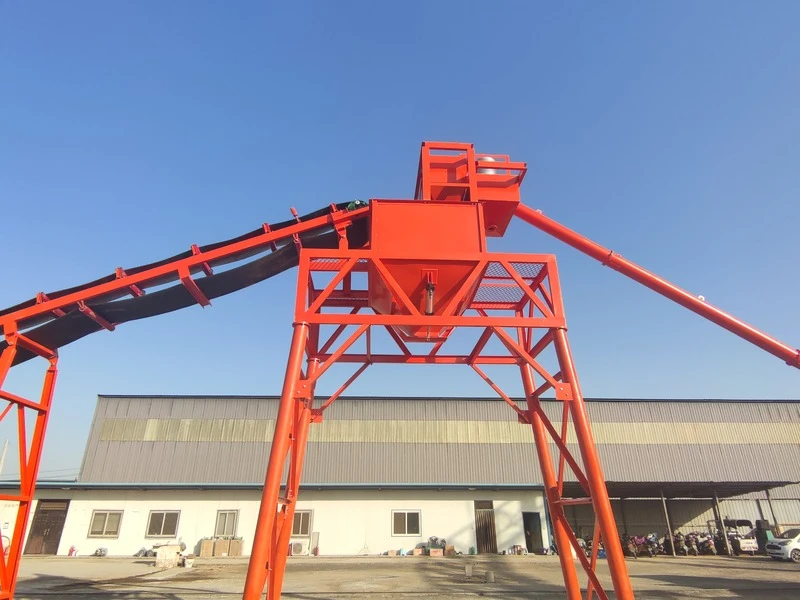
Commercial Ready-Mix Concrete (RMC) Fleets
High-throughput dispatch yards managing fleets of transit mixer trucks in urban and suburban areas during peak construction hours.
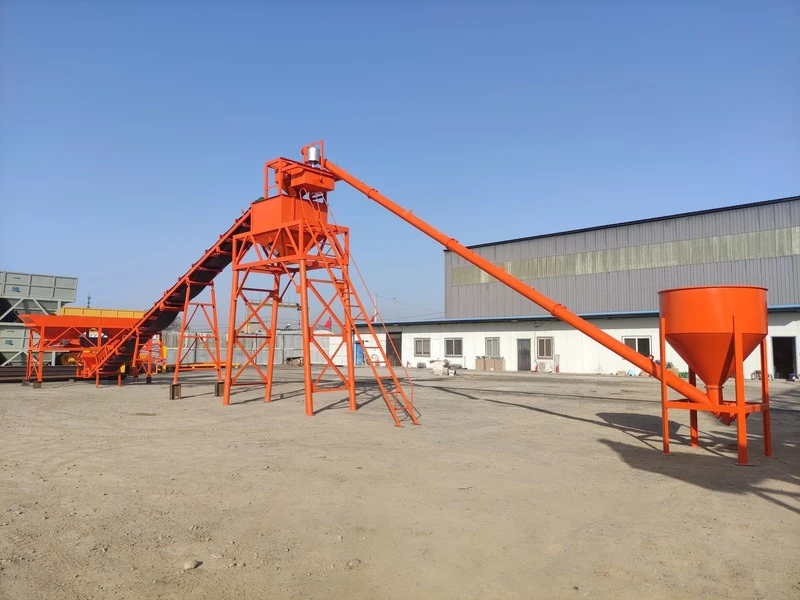
Long-Distance Infrastructure & Linear Highways
Expressway paving, regional road networks, and pipeline projects where the distance from the batching plant to the pour site exceeds 45−90 minutes.
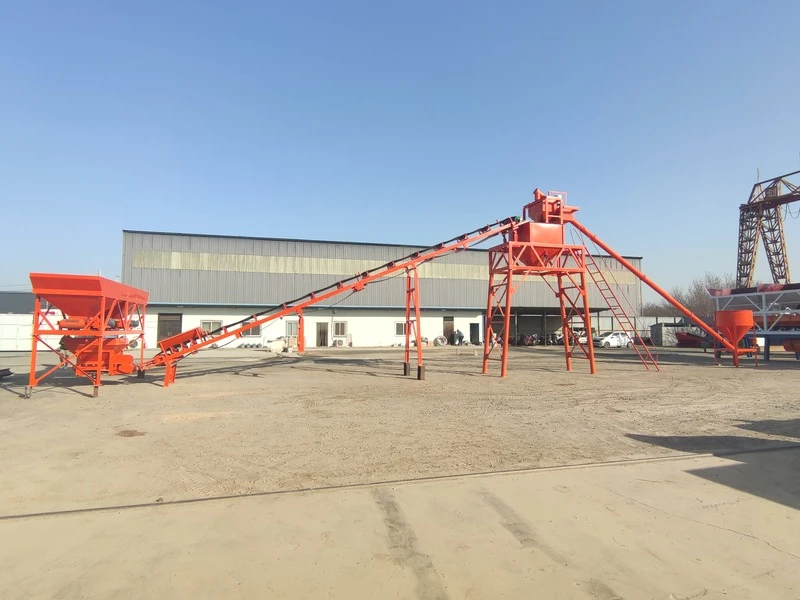
Hot, Arid & Tropical Climates
Projects across desert or tropical environments where high ambient temperatures accelerate concrete hydration and make central wet-mixed transport risky.
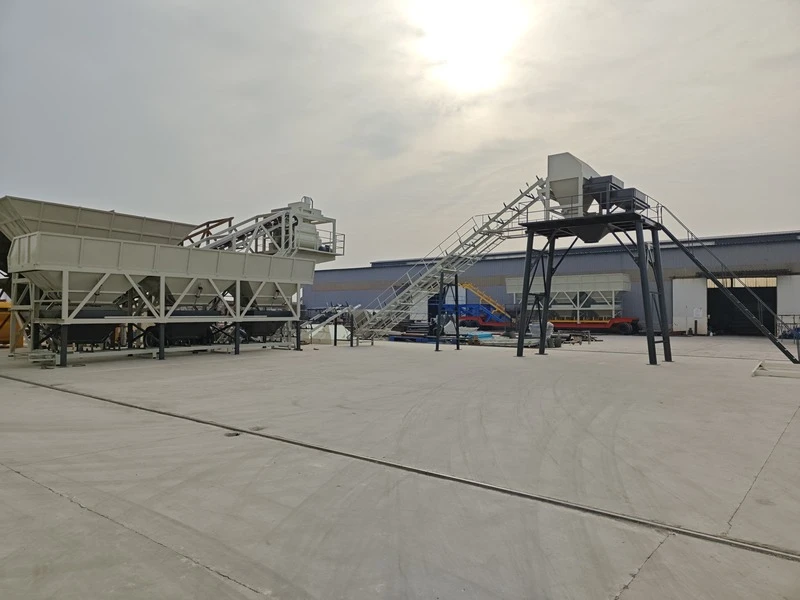
Remote & Off-Grid Infrastructure
Mountain roads, hydroelectric works, mining camps, and island projects operating on constrained electrical power grids or diesel generators.
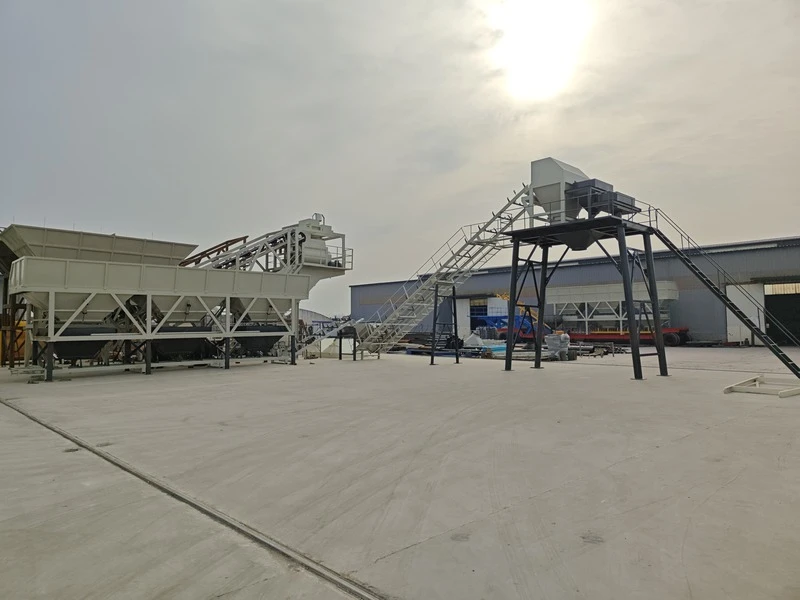
Continuous Road Base & Pavement Works
Supplying high continuous volumes of concrete for highway sub-bases, curbs, shoulders, parking lots, and slipform paving operations.
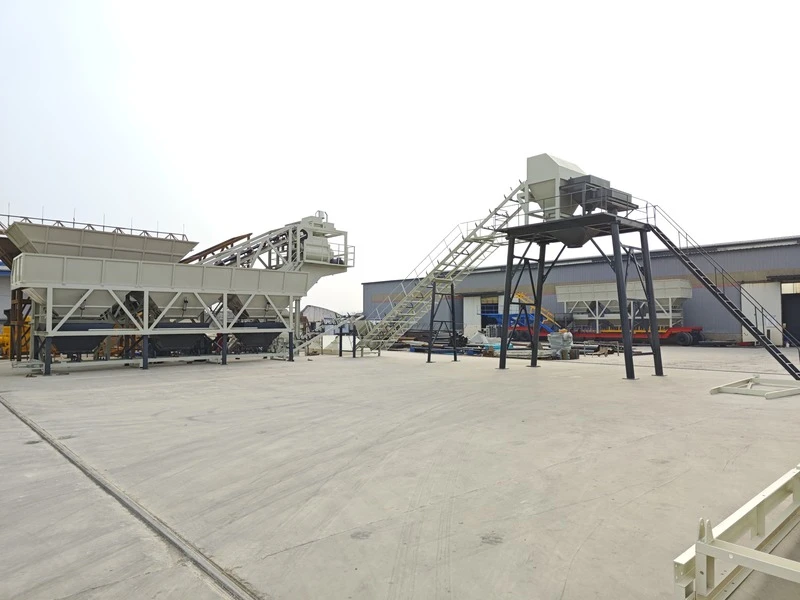
Temporary & Fast-Track Job Sites
Short-to-medium-term projects (3−18 months3−18 months) requiring rapid setup, low foundation investment, and easy relocation after project completion.
FAQ
Q1:What is a Stationary Dry Mix Concrete Batching Plant?
A1:
A: A stationary dry mix concrete batching plant (also known as a Transit-Mix Plant or Truck-Mix Plant) accurately measures and batches all concrete ingredients (aggregates, cement, water, and chemical admixtures) and discharges them directly into the revolving drum of a concrete transit mixer truck. The actual concrete mixing is performed inside the truck drum en route or on site, rather than in a central stationary mixer at the plant tower.
Q2:How does concrete mixing work without a central mixer on the plant?
A2:
A: The transit mixer truck drum is engineered with heavy-duty internal spiral mixing blades. When revolving at high speed (typically 12−18 RPM 70−100 revolutions), the drum produces a vigorous folding and shearing action that blends the dry materials, cement, water, and admixtures into a homogeneous concrete mix compliant with ASTM C94 and EN 206 standards.
Q3:What models and production capacities are available in the Shengmao DHZS series?
A3:
A: Shengmao’s standard DHZS series offers theoretical batching capacities from 25 m3/h to 120 m3/h:
DHZS25:25 m3/h (PLD800 batcher, matched to 6 m3 truck mixers)
DHZS50: 35 m3/h (PLD1200 batcher, matched to 6 m3 truck mixers)
DHZS60: 60 m3/h (PLD1600 batcher, matched to 8 m3 truck mixers)
DHZS80: 90 m3/h (PLD2400 batcher, matched to 10 m3 truck mixers)
DHZS120: 120 m3/h (PLD3200 batcher, matched to 12 m3 truck mixers)
Q4:Does a dry batch plant produce structural-grade, high-strength concrete?
A4:
A: Yes. Concrete compressive strength depends on accurate ingredient proportions, the water-cement ratio, aggregate gradation, and sufficient mixing energy. With high-precision electronic load cells (±1% for cement/water and ±2% for aggregates) and standard truck mixing protocols, dry-batched concrete easily meets commercial structural strength grades from C20 to C50+.
Q5:How much electrical power does a dry batch plant save compared to a wet plant?
A5:
A: A dry batch plant typically consumes 40% to 60% less connected electrical power than a wet-mix plant of equivalent capacity. For example, a 90 m3/h wet plant requires 140−180 kW (including heavy mixer motors), whereas an equivalent dry plant requires only about 60−80 kW (primarily for conveyors and air compressors), significantly reducing utility bills and diesel generator sizing.
Q6:How are dust emissions controlled during high-speed truck charging?
A6:
A: Shengmao dry batch plants feature a specialized central collecting hopper and a telescopic dust-collection loading shroud connected to a pulse-jet baghouse dust collector at the truck intake point. This captures airborne cement and aggregate dust during discharge, ensuring compliance with local environmental and workplace safety regulations.
Q7:Can water addition be delayed for long-distance transport?
A7:
A: Yes. For long-distance delivery or hot-weather operations, the plant can load dry materials into the truck first, and water can be metered and injected from an onboard truck water tank or a jobsite water station just before arrival, ensuring maximum concrete workability and slump upon pouring.
View More
Pack up
RELATED PRODUCTS
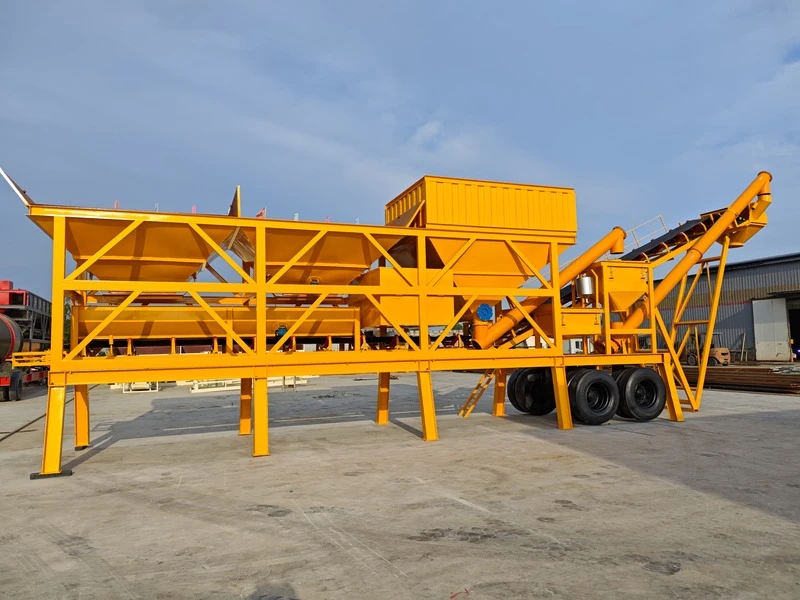
Mobile Dry Mix Concrete Batching Plant
Capacity: 25-120 m³/h
Control: Panel control and remote control
Features: Aggregate batcher, scales, cement silo (7T or 14T) and belt conveyor on one travelling unit
Get In Touch!
Accurately Match Needs and Create Exclusive Solutions Your Needs, Our Expertise

Please fill in the following information to obtain a free product quotation


 Concrete Batching Plant