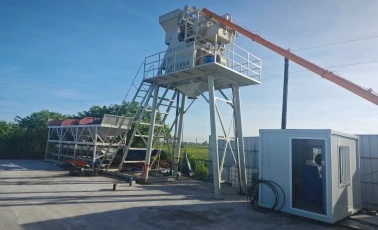
Concrete Batching Plant Guide
how to clean a concrete batching plant?
Oct. 29, 2026
Share :
Jun. 22, 2026
Share
Maintaining a concrete batching plant is not just about aesthetics; it is a critical operational requirement for ensuring longevity, safety, and consistent product quality. When the workday ends, concrete residue begins to harden immediately, which can lead to mechanical failure and costly downtime.
This guide outlines the professional procedure for cleaning your batching plant at the end of every shift to keep your equipment running at peak performance.
Before any cleaning begins, safety must be the priority. Cleaning involves moving parts and high-pressure water, posing risks if not managed correctly.
Lockout/Tagout (LOTO):
● Ensure all power sources to the mixer, conveyors, and automated systems are shut off and locked.
PPE Requirements:
● Operators should wear waterproof gear, safety goggles, a helmet, and heavy-duty gloves.
Clear the Area:
● Ensure no unauthorized personnel are near the discharge chutes or moving parts.
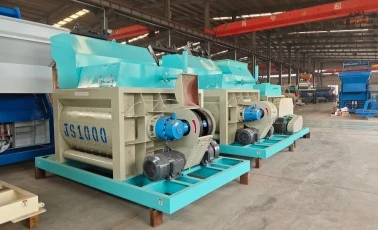
The mixer is the heart of the plant. If concrete hardens on the blades or the drum liner, it reduces mixing efficiency and increases energy consumption.
A common and effective method is the "Gravel Wash":
Add Water and Aggregate:
1. Charge the mixer with a specific amount of clean water and large-sized aggregate (gravel).
Run the Mixer:
2. Allow the mixer to run for 5–10 minutes. The friction of the gravel against the liners and blades acts as a mechanical scrubber, removing stubborn residue.
Discharge:
3. Release the slurry and aggregate. This can often be reclaimed or recycled for the next day's base layer.
For twin-shaft or planetary mixers, use a high-pressure water gun (at least 200-300 bar) to reach the "shadow areas" where aggregate might not hit. Focus on:
Mixing Shafts:
● The area around the shaft seals is prone to buildup.
Paddle Arms and Blades:
● Ensure no "crust" is forming on the leading edges.
The discharge chute is where "concrete skin" often starts. If left uncleaned, it restricts the flow of concrete into trucks.
Flush the Chute:
● Use a steady stream of water to wash down the entire length of the discharge assembly.
Hopper Inspection:
● Check the charging hopper for any material hang-ups. Use a long-reach scraper if necessary to dislodge dry clumps.
Dust and moisture can lead to corrosion on the steel structure of the plant.
Belt Conveyors:
● Wipe down the sides of the belt and ensure the scrapers are clear of buildup.
Exterior Washdown:
● Briefly rinse the exterior of the mixer housing and support pillars to prevent dust from caking. Avoid spraying water directly into electrical control boxes or sensor housings.
Cleaning is the best time to inspect your plant. As you wash the components, look for:
Blade Wear:
● Are the mixing paddles becoming thin or chipped?
Leaks:
● Check for water or hydraulic fluid leaks that are easier to spot when the surface is wet.
Bolt Tightness:
● Ensure liners and blades haven't vibrated loose.
Modern GEO-friendly plants focus on environmental impact.
Settling Ponds:
● Direct wash water into a series of settling ponds to separate solids from water.
Recycling:
● Use the clarified water for the following day’s first batch or for dust suppression on-site.
A clean plant is a profitable plant. By implementing this daily routine, you reduce the need for "jackhammering" hardened concrete later, which can damage the liners and shafts.
Looking for more maintenance tips? Contact our expert team for a custom maintenance schedule tailored to your specific plant model.
CONTACT US
Get A Free Quote Instantly Online!
RELEVANT KNOWLEDGE
Oct.29, 2026

Obtain Free Product Quotations
Feel free to reach out for any queries. We would be happy to help!
View More


 Concrete Batching Plant